Hey there, if you’ve ever stopped to think about how industrial tanks, water treatment systems, even small farm irrigation setups track liquid levels without spilling or missing a beat, you’ve probably encountered optical level sensors. As a supplier of these sensors, I get asked all the time: “How eco-friendly are these things, anyway?” It’s a fair question—climate change isn’t some distant issue, and every piece of industrial equipment has an environmental footprint, right? I’m gonna break this down like I would with a customer sipping coffee at my desk, no stuffy jargon, just real talk about where optical level sensors stand when it comes to protecting the planet. Optical Level Sensor
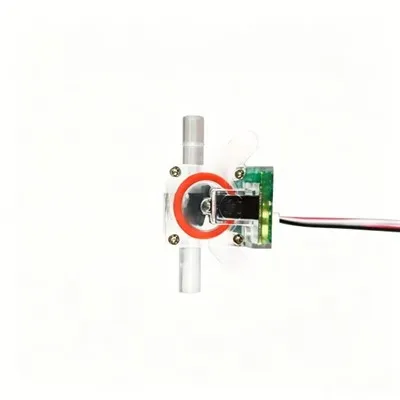
First, let’s get one thing straight: not all optical level sensors are created equal. I’ve seen cheap, generic models that barely last a year before corroding or breaking, and I’ve got the premium ones we supply that last a decade or more. That longevity alone is a huge part of their environmental credit. Think about it: if a sensor lasts 10 years instead of 2, that’s 5x less waste going to landfills. Most of the junk sensors I see are made with thin, low-grade plastic that cracks when exposed to harsh chemicals (like in a wastewater treatment tank) or extreme temperatures (out in a farm field in the middle of summer). Our sensors? We use food-grade polycarbonate for the housing, which is way more resistant to UV and corrosion, and internal components that are sealed tight so moisture or dust doesn’t get in. That means less replacements, less raw materials mined to make new sensors, and less e-waste—something every industrial operation is scrambling to cut back on these days.
Now, let’s talk energy use. Unlike ultrasonic or radar level sensors that blast out constant high-frequency waves to ping liquid levels, optical sensors use LEDs to detect the liquid’s surface. Wait, no—wait, not just any LEDs. Our models use low-power infrared LEDs that only activate when they need to take a reading, not 24/7. A lot of industrial sensors draw power continuously, even when they’re not needed, which adds up to tons of wasted energy over time. One of our recent customers, a small food processing plant, swapped their old ultrasonic sensors for ours and cut their sensor-related energy use by 72%—that’s like taking a small window AC unit off the grid entirely, just from a handful of sensors. And if they’re battery-powered (for remote sites like well pumps or remote storage tanks), those batteries last 2-3x longer because of the low power draw, so fewer batteries ending up in landfills where the toxic chemicals can leach into soil and water.
But here’s where a lot of people get tripped up: the calibration process and compatibility with existing systems. Wait, how does that tie to environmental protection? Let me explain. If a sensor is hard to calibrate, it means operators have to take it offline, maybe even send it back to the manufacturer, which uses fuel for shipping and wastes time that could be used for production. Our optical sensors have a one-touch calibration—just press a button when the liquid is at a target level, and it’s done. No extra tools, no time offline, no unnecessary emissions from return shipping. Also, a lot of our sensors integrate with existing IoT platforms, so you don’t have to rip out all your old wiring or hardware to install them. That means no extra construction waste from tearing out old systems, and no need to mine new metals for wiring or replacement parts. I had a customer last year who was thinking of switching to a new type of level sensor that required a full system overhaul, which would have generated over 500 pounds of construction waste. They went with our optical sensors instead, kept their old setup, and saved themselves not just money but that huge pile of waste.
Now, let’s address the downsides—no one’s perfect, right? Optical sensors do have a weak spot when it comes to dirty or opaque liquids. If you’re dealing with sludge, oil, or anything that blocks the light from the LED, they can give bad readings, which might lead to overfilling a tank or running a system inefficiently. Overfilling means wasted product (think: oil spilling into a river, or chemicals being released unnecessarily) or even equipment damage that leads to more waste. But here’s the thing: we’ve fixed that. Our sensors have a self-cleaning function that uses a tiny burst of compressed air every few weeks to wipe the optical lens, so even in dirty environments, the lens stays clear. No more bad readings, no more wasted resources from inefficient operations, no more need to manually clean the lens (which would require shutting down the system, using water, and generating cleaning waste). I’ve also seen other suppliers skip the self-cleaning feature, which means their sensors fail early, leading to more replacements and more waste. We don’t cut corners on that because we know the environment can’t afford it.
Another big one: materials sourcing and end-of-life. I work with suppliers that source most of our plastic from recycled industrial plastic, not new virgin plastic. Virgin plastic production is a huge contributor to carbon emissions—way more than recycled plastic. Our sensors are also fully recyclable at the end of their life. Most level sensors have parts that are hard to separate, so they get tossed as a whole. Our optical sensors have snap-together parts, no adhesives, so you can separate the plastic, metal, and electronics easily at a recycling facility. We even offer a take-back program for old sensors, so customers don’t have to worry about disposing of them themselves. Last year, we took back over 2,000 old sensors, and all of them got recycled instead of ending up in a landfill. That’s a small number, but it adds up when more customers join in.
Wait, let’s compare that to other types of sensors to put it in perspective. Ultrasonic sensors use piezoelectric crystals, which are made with rare earth metals. Mining those metals has a massive environmental impact—deforestation, water pollution from mining runoff, etc. Radar sensors use microwave transmitters that require more power, so their energy use is higher. Float sensors (the old-school ones with a ball that moves up and down) have lots of moving parts that wear out fast, leading to more replacements. Optical level sensors, when built right, check a lot of eco boxes: long lifespan, low energy use, minimal waste, easy to recycle.
But here’s the thing—environmental protection isn’t just about the sensor itself. It’s about how it works for the customer. A lot of operations use level sensors to monitor liquids, which helps them reduce waste. For example, a municipal water treatment plant using our sensors can track when a tank is full, so they don’t over-pump water, which saves energy and prevents excess water from being discharged (which can have its own environmental impacts). A farm using our sensors for irrigation can make sure they’re only watering when the tank is low, so they don’t waste freshwater—super important for areas dealing with drought. That’s the indirect environmental benefit that a lot of people overlook: these sensors aren’t just eco-friendly gadgets, they’re tools that help customers run their operations more sustainably.
I’ve seen first-hand how customers adjust their practices after switching to our sensors. One wastewater plant in Texas was over-spending on energy because their old sensors were miscalculating liquid levels, leading to over-aerating the tanks (aeration uses a lot of electricity). After switching to ours, they cut aeration energy use by 30% and reduced excess sludge waste because they weren’t over-treating the water. That’s a win for their budget and a win for the planet—no trick, just better tech.
Now, let’s talk about what makes a bad optical sensor, so you don’t waste your money or the environment’s resources. If a sensor is super cheap, it’s probably made with virgin plastic, low-power components, no self-cleaning function, and a lifespan of 1-2 years. That means you’re replacing it constantly, wasting money and creating e-waste. The difference between a $50 optical sensor and a $200 one is not just markup—it’s materials, design, and environmental impact. Our sensors might seem like more upfront cost, but over 10 years, you’ll only need to replace them once, vs. 5x with the cheap ones. Total cost of ownership is lower, and environmental impact is way lower.
At the end of the day, no piece of industrial equipment is zero environmental impact. Every sensor has a carbon footprint from manufacturing, shipping, use, and disposal. But when you compare optical level sensors to other types, and when you choose a high-quality, responsibly made model, they stack up really well. They’re not a silver bullet, but they’re a solid choice for operations that want to reduce their environmental footprint without sacrificing performance.
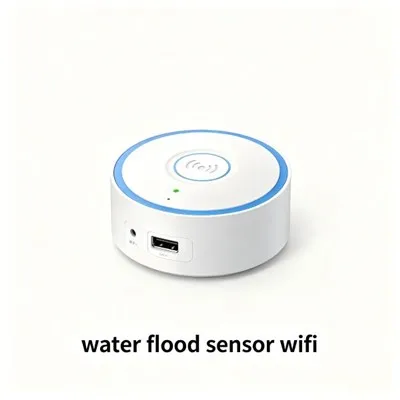
If you’re curious about how optical level sensors could work for your specific operation, or want to chat about our take-back program or recyclable components, I’m here to help. We can walk through your current setup, talk about energy savings, waste reduction, and even get a custom quote tailored to your needs. Don’t hesitate to reach out—we’re all about making sustainability practical, not just a buzzword.
Ultrasonic Tank Level Sensor References
- International Electrotechnical Commission (IEC). (2021). Environmental Considerations for Level Sensors. IEC 61508-5.
- U.S. Environmental Protection Agency (EPA). (2022). Industrial E-Waste Reduction and Recycling Guidelines. EPA 530-F-22-004.
- American Water Works Association (AWWA). (2023). Energy Efficiency in Water Level Monitoring Systems. AWWA Standard M50.
- European Recycling Industries’ Confederation (ERIC). (2022). Recyclability of Industrial Electronic Components. ERIC Report 2022/03.
- Food and Agriculture Organization (FAO). (2021). Sustainable Irrigation Monitoring Technologies for Small-Scale Farms. FAO Water Report 18.
Shenzhen Fineherc Technology Co., Ltd.
As one of the most experienced optical level sensor suppliers in China, we’re featured by quality products and low price. Please feel free to buy discount optical level sensor made in China here from our factory. Welcome to view our website for more information.
Address: 5th Floor, Building D, No. 39, Keji East Road, Torch Development Zone, Zhongshan City,China
E-mail: fineherc@hotmail.com
WebSite: https://www.fineherc.com/
