If you’ve ever spent time behind the wheel of a box truck—whether for local deliveries, long-haul hauls, or moving bulk goods—you know there’s nothing worse than a dead battery on a tight delivery route. As a box truck supplier, I’ve seen firsthand how neglected batteries lead to missed deadlines, frustrated drivers, and costly downtime that eats into a small business’s bottom line. Over the 12 years I’ve spent working with delivery and moving fleets, I’ve learned that battery maintenance isn’t just a “nice-to-have”—it’s the backbone of reliable box truck performance. Today, I’m breaking down the science-backed steps to keep your box truck battery running strong, so you can avoid the hassle of breakdowns and keep your operations moving. Box Truck
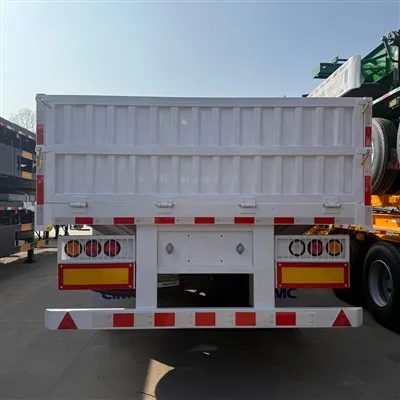
First, let’s talk about why box truck batteries are different from the ones in your personal car. Your average passenger car battery is built for short bursts of power to start the engine, then relies on the alternator to recharge as you drive. Box trucks? They’re workhorses. Most modern models come equipped with a slew of auxiliary systems you won’t find in a car: lift gates, refrigerated cargo units, GPS trackers, multiple interior lights, and even backup cameras that run when the engine is off. That constant draw on the battery—especially when the engine isn’t running—means box truck batteries need extra care to handle the load. I’ve seen too many new fleets cut corners here, skimping on regular checks and wondering why their brand-new batteries die after just a year, when they should last three to five years with proper maintenance.
Let’s start with the most fundamental step: regular, consistent battery inspections. I recommend checking your box truck’s battery at least once a month, and more often if your trucks are running 24/7 or in extreme temperatures. What exactly are you looking for? First, physical damage. Over time, vibration from rough roads can loosen the battery’s hold-down bracket, leading to cracks in the casing or loose terminals. Cracks let in moisture and dust, which corrode internal components and drain power when you’re not driving. Next, check the terminals themselves. Corrosion—those white, powdery crystals you see on the connections—are a common culprit of starting issues. Corrosion creates a barrier that prevents electricity from flowing between the battery and the rest of the truck’s electrical system, so even a fully charged battery can fail to start the engine.
When you do inspect terminals, clean them properly if you spot corrosion. Here’s the right way to do it, based on years of hands-on work with fleets: first, disconnect the negative cable (always negative first, to avoid short circuits) followed by the positive. Mix a solution of one tablespoon of baking soda with a cup of water, and use an old toothbrush to gently scrub the corrosion off the terminals and cable clamps. Rinse with plain water and dry thoroughly—moisture left behind can cause new corrosion. Once everything is dry, apply a thin layer of petroleum jelly or a terminal protector spray to the clamps before reconnecting them, to prevent future buildup. I always tell drivers to mark their inspection dates on their route logs; it’s a small habit that saves hours of downtime later.
Temperature is another big factor that affects box truck batteries, and it’s one many operators overlook. Extreme heat and extreme cold both take a massive toll on battery life. Let’s break it down: in cold weather, battery chemical reactions slow down, which means a fully charged battery can lose up to 50% of its power when temperatures drop below 32°F (0°C). That’s a problem for delivery routes in northern states where winters are harsh. In hot weather, on the other hand, the high heat speeds up chemical breakdown inside the battery, causing the fluid to evaporate and plates to corrode faster. For box trucks that operate in desert climates or during summer months, this can cut battery life in half.
So how do you mitigate temperature damage? For cold climates, keep batteries as warm as possible when the trucks aren’t in use. If your fleet is parked outdoors overnight, use battery blankets or park in a covered lot if you can. Some of my clients in Canada and Minnesota even install block heaters to warm the engine and battery before start-up, which reduces the strain on the battery. For hot climates, make sure the battery is mounted in a well-ventilated area, and avoid parking trucks in direct sunlight for long stretches when possible. If your box truck has a refrigerated cargo unit, double-check that the cooling system is functioning properly—an overheating cargo unit can generate extra heat that transfers to the battery, shortening its lifespan.
Next up is charging practices, which are make-or-break for box truck batteries. Remember earlier when I said these trucks have constant auxiliary draws? If you’re making multiple stops in a day—loading and unloading cargo, running the lift gate, leaving the interior lights on to unload at night—you might not be giving the battery enough time to fully recharge between trips. That’s called deep cycling, and it’s not bad in small doses, but repeated partial charging (where the battery never gets a full top-off) leads to sulfation. Sulfation happens when lead sulfate crystals build up on the battery’s plates, and if they’re never fully dissolved by a full charge, they harden over time, reducing the battery’s capacity and lifespan.
I’ve seen fleets with 10+ box trucks that run all day, only to park them at the end of the day with a partially charged battery. Over a few months, that adds up to a dead battery that needs replacement, instead of lasting its full five years. The fix here is to make sure your box trucks get a full, 30-minute highway drive once a week, if possible—highway speeds let the alternator run at full capacity, fully recharging the battery. For fleets that operate in urban areas with lots of short stops, consider adding a battery maintainer (also called a trickle charger) to the trucks that sit idle for more than a day. A good maintainer will keep the battery at a full charge without overcharging it, which is perfect for delivery routes that run Monday through Friday and sit idle on weekends.
Another common mistake I see is overloading the electrical system, which is especially relevant for box trucks. Many operators add extra accessories after buying their truck—LED light bars, auxiliary power ports for tools, custom sound systems, or even additional refrigeration units for specialty cargo. While these upgrades can be useful, adding too many draws on the stock battery can push it beyond its design limits. A standard box truck battery is rated for a specific amp-hour (Ah) capacity, and adding more power-hungry accessories can mean the battery is always working harder than it was meant to. If you’re planning to add any heavy electrical accessories, talk to a professional (or your box truck supplier, like me) about upgrading to a higher-capacity battery or adding a secondary auxiliary battery. That way, you don’t risk damaging your primary starting battery with constant extra draw.
Proactive replacement is way smarter than reactive breakdowns, and that’s a rule I live by as a box truck supplier. I know how tempting it is to stretch a battery past its expected lifespan to save a few bucks, but the cost of a tow truck, missed deliveries, and rushed replacements always adds up to more than the cost of a new battery. Most box truck batteries will start to show warning signs after three years: slower engine starts, dim interior lights, or the need for jump-starts more often. Keep a close eye on these signs, and don’t wait until the battery dies mid-route to replace it. It’s a simple step that keeps your drivers happy and your business on schedule.
Wait, let’s also talk about storage if you have box trucks that sit idle for long periods—like during the off-season for moving companies, or a fleet that’s waiting for a new route. If a battery is left fully discharged for more than a few weeks, it will suffer from deep discharge damage, which can kill it permanently. When storing a box truck for more than 30 days, disconnect the negative battery cable and store it in a cool, dry place (not in the bed of the truck, where temperature swings are extreme). If you have multiple trucks, remove the batteries from idle ones periodically and perform a full charge to keep them healthy, or use a smart battery maintainer that automatically adjusts the charge rate to keep the battery at optimal levels.
Over the years, I’ve worked with fleets of all sizes—from one-person moving companies to 50-truck delivery operations—and the number one mistake I see is treating battery maintenance like an afterthought, not a core part of daily operations. Let me give you an example: a small moving company I worked with in Ohio was replacing batteries every 18 months, because their drivers would leave lift gates running overnight when they finished late. We implemented three changes: a driver training session on turning off auxiliary systems when parked, adding battery maintainers to their two trucks that sat on weekends, and doing monthly terminal cleaning. After that, their battery life jumped to four years, and they saved over $2,000 a year in replacement costs. That’s the difference a few simple maintenance steps can make.

If you’re a new box truck owner, or if you’re looking to upgrade your fleet and want batteries that are built to handle the demands of commercial use, the good news is that modern box truck batteries are more durable than ever. But even the best battery won’t last if you skip regular checks, ignore temperature extremes, or overwork the electrical system. At the end of the day, battery maintenance is about being intentional—building small, consistent habits that protect one of your truck’s most critical components. A reliable battery means less downtime, happier drivers, and more on-time deliveries, which is what every box truck operator is striving for.
Trailers If you’re in the market for a new box truck, or if you want to talk about upgrading your fleet’s battery systems to fit your specific operations, I’m here to help. Every fleet has unique needs, and as a supplier, I can walk you through the best battery options, maintenance schedules, and accessories to keep your trucks running strong for years. Don’t wait for a dead battery to derail your next delivery—reach out today to start a conversation about keeping your box truck’s battery in peak condition.
References
- Battery Council International. "Battery Maintenance Best Practices for Commercial Vehicles." 2022.
- Society of Automotive Engineers. "Effects of Temperature on Lead-Acid Battery Performance in Heavy-Duty Trucks." SAE International Journal of Commercial Vehicles, vol. 15, no. 2, 2022, pp. 456-468.
- National Truck Equipment Association. "Commercial Vehicle Electrical System Best Practices." 2021.
- Auto Care Association. "Sulfation in Lead-Acid Batteries: Causes and Mitigation for Heavy-Duty Applications." 2023.
Shandong Huayuanda Automobile Manufacturing Co., Ltd.
Address: Industrial Park, Quanpu Town, Liangshan County, Jining City, Shandong Province
E-mail: Huayuanda2024@163.com
WebSite: https://www.hydtrailer.com/
