Do leaf springs for SINOTRUK need lubrication? Leaf Spring for SINOTRUK
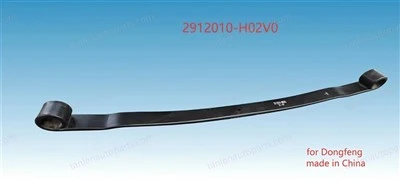
Hey there! I’m a supplier of leaf springs for SINOTRUK, and this is a question I get asked a lot: Do leaf springs for SINOTRUK need lubrication? Well, let’s dive right into it.
First off, let me give you a bit of background on leaf springs. Leaf springs are an essential part of a vehicle’s suspension system. They’re made up of multiple layers of metal strips, or "leaves," stacked on top of each other. These springs help to support the weight of the vehicle, absorb shocks from the road, and keep the wheels in contact with the ground.
Now, when it comes to lubrication, it’s a bit of a mixed bag. On one hand, lubricating leaf springs can have some benefits. For starters, it can reduce friction between the leaves. When the vehicle is in motion, the leaves of the leaf spring rub against each other. This friction can cause wear and tear over time, leading to a decrease in the spring’s performance and potentially even failure. By applying a lubricant, you can create a barrier between the leaves, reducing the amount of friction and extending the lifespan of the spring.
Another benefit of lubrication is that it can help to prevent corrosion. Leaf springs are constantly exposed to the elements, including water, dirt, and salt from the roads. These elements can cause the metal to rust and corrode, weakening the spring. A good lubricant can act as a protective barrier, preventing moisture and other corrosive substances from coming into contact with the metal.
However, there are also some drawbacks to lubricating leaf springs. One of the main issues is that lubricants can attract dirt and debris. When dirt and debris get stuck in the lubricant, they can actually increase the amount of friction between the leaves, which is the opposite of what we’re trying to achieve. This can lead to accelerated wear and tear on the spring.
Another problem is that over – lubrication can cause the leaves to separate from each other. When too much lubricant is applied, it can create a slippery surface between the leaves, causing them to move independently of each other. This can affect the way the spring functions, reducing its ability to support the weight of the vehicle and absorb shocks.
So, do SINOTRUK leaf springs need lubrication? The answer is: it depends. In some cases, lubrication can be beneficial, especially if the springs are in a harsh environment or if you notice a lot of noise coming from the suspension. However, it’s important to do it right.
If you decide to lubricate your SINOTRUK leaf springs, here’s how you can do it:
- Clean the springs first: Before applying any lubricant, you need to clean the leaf springs thoroughly. Use a wire brush or a pressure washer to remove any dirt, rust, or debris from the surface of the springs. This will ensure that the lubricant can adhere properly and do its job.
- Choose the right lubricant: Not all lubricants are created equal. You want to choose a lubricant that is specifically designed for leaf springs. Look for a lubricant that is water – resistant, high – temperature resistant, and has good anti – wear properties. Some common types of lubricants for leaf springs include graphite – based lubricants, silicone – based lubricants, and oil – based lubricants.
- Apply the lubricant carefully: Once you’ve chosen the right lubricant, apply it evenly between the leaves of the spring. You can use a brush or a spray bottle to apply the lubricant. Be careful not to over – apply it, as this can cause the problems I mentioned earlier.
- Reassemble and check: After applying the lubricant, reassemble the spring if necessary and check the suspension for any signs of improvement. Listen for any unusual noises and make sure the vehicle rides smoothly.
As a supplier of leaf springs for SINOTRUK, I’ve seen all sorts of situations. Some customers swear by lubricating their springs regularly, while others prefer to leave them alone. It really comes down to personal preference and the specific conditions in which the vehicle is used.
If you’re using your SINOTRUK vehicle in a relatively clean and dry environment, you might not need to lubricate the leaf springs very often. However, if you’re driving on rough roads, in wet or salty conditions, or if your vehicle is used for heavy – duty applications, lubrication can be a good idea.
In conclusion, while lubrication can have some benefits for SINOTRUK leaf springs, it’s not always necessary. It’s important to weigh the pros and cons and make an informed decision based on your specific situation.
If you’re in the market for high – quality leaf springs for your SINOTRUK vehicle, or if you have any questions about leaf spring lubrication or maintenance, I’m here to help. I’ve got a wide range of leaf springs that are designed to meet the needs of SINOTRUK vehicles. Whether you’re looking for standard springs or something more heavy – duty, I can provide you with the right products.

Don’t hesitate to reach out if you’re interested in discussing a purchase. Let’s have a chat and see how I can help you get the best leaf springs for your SINOTRUK.
Bushing References
- "Automotive Suspension Systems" by Craig Van Batenburg
- "The Engineering of Springs" by Spring Manufacturers Institute
Henan Talen Auto Parts Co., Ltd.
As one of the most professional leaf spring for sinotruk manufacturers and suppliers in China, we have world-leading production equipment and strong manufacturing capabilities. Please feel free to buy durable leaf spring for sinotruk made in China here from our factory. For price consultation, contact us.
Address: 7th Floor, Block C, No.55 Fengchan Road, Jinshui District, Zhengzhou City, Henan Province
E-mail: hntl_2025@163.com
WebSite: https://www.talen-autoparts.com/
