Hey there! I’m a supplier of hot melt adhesive, and I often get asked this question: Can hot melt adhesive be used for rubber gasket bonding? Well, let’s dive right into it and explore the ins and outs of using hot melt adhesive for this purpose. Hot Melt Adhesive
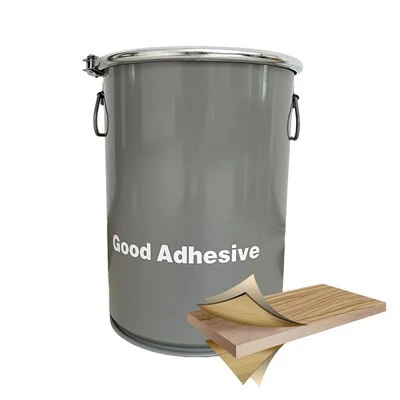
First off, let’s talk a bit about what hot melt adhesive is. Hot melt adhesive, or HMA for short, is a type of adhesive that comes in solid form. You heat it up, and it turns into a liquid that you can use to stick things together. Once it cools down, it hardens and forms a strong bond. It’s super convenient because you don’t have to wait for it to dry like you do with some other types of adhesives.
Now, rubber gaskets are used in all sorts of applications. They’re in cars, plumbing systems, and even in some household appliances. Their main job is to create a seal, preventing things like water, air, or chemicals from leaking. So, when it comes to bonding rubber gaskets, we need an adhesive that can do the job well.
One of the big advantages of using hot melt adhesive for rubber gasket bonding is its speed. Like I said earlier, it doesn’t take long to set up. Once you apply the hot melt adhesive and press the rubber gasket in place, it starts to cool and bond almost immediately. This is great for mass production because it means you can get a lot of work done in a short amount of time.
Another plus is the strength of the bond. Hot melt adhesives can form a pretty strong bond with rubber. They can withstand a fair amount of stress and movement without coming apart. This is important for rubber gaskets because they often have to deal with vibrations and changes in temperature.
But, it’s not all sunshine and rainbows. There are some challenges when using hot melt adhesive for rubber gasket bonding. One of the main issues is compatibility. Not all hot melt adhesives are going to work well with all types of rubber. Different rubbers have different chemical properties, and some hot melt adhesives might not bond properly to certain types of rubber.
For example, silicone rubber is a bit tricky. It has a very low surface energy, which means it’s hard for adhesives to stick to it. You might need a special type of hot melt adhesive that’s designed to bond with silicone rubber. These adhesives usually have some additives that help them stick better to the low – energy surface.
Another thing to consider is the temperature resistance. Rubber gaskets can be exposed to high temperatures in some applications, like in an engine. If the hot melt adhesive doesn’t have good temperature resistance, it might start to soften or lose its bond strength when it gets hot. So, you need to choose a hot melt adhesive that can handle the temperature range that the rubber gasket will be exposed to.
There are also some environmental factors to think about. Some hot melt adhesives might not be very resistant to chemicals or moisture. If the rubber gasket is going to be in an environment where it’s exposed to chemicals or water, you need to make sure the hot melt adhesive can stand up to those conditions.
So, how do you choose the right hot melt adhesive for rubber gasket bonding? Well, first, you need to know what type of rubber you’re working with. If it’s natural rubber, neoprene, or EPDM rubber, there are plenty of hot melt adhesives that will work well. But if it’s silicone rubber, you’ll need to look for a specialized product.
You also need to consider the application. If it’s a high – temperature application, look for a hot melt adhesive with a high melting point. If it’s going to be in a wet or chemical – exposed environment, look for an adhesive that’s resistant to those things.
Here are some tips for using hot melt adhesive for rubber gasket bonding:
- Clean the surface: Make sure the rubber surface is clean and free of any dirt, oil, or debris. This will help the adhesive bond better.
- Apply the right amount: Don’t use too much or too little adhesive. Just enough to create a good bond without making a mess.
- Press firmly: Once you apply the adhesive, press the rubber gasket in place firmly. This will help the adhesive spread and form a strong bond.
In my experience as a hot melt adhesive supplier, I’ve seen a lot of different applications for rubber gasket bonding. And while there are some challenges, with the right adhesive and proper application, hot melt adhesive can be a great choice.
If you’re in the market for hot melt adhesive for rubber gasket bonding, I’d love to help you find the right product. We have a wide range of hot melt adhesives that are suitable for different types of rubber and applications. Whether you’re a small business doing some custom work or a large manufacturer, we can provide you with the adhesive you need.
So, if you’re interested in learning more or want to discuss your specific requirements, don’t hesitate to reach out. We can have a chat about your project and figure out the best hot melt adhesive solution for you.
Zero Glue Line Edge Banding References:
- "Handbook of Adhesives" by Irving Skeist
- "Adhesive Bonding: Science, Technology, and Applications" by R. D. Adams, W. C. Wake, and A. J. Kinloch
Linyi Meador New Materials Co., Ltd.
As one of the most experienced hot melt adhesive manufacturers and suppliers in China, we offer a wide range of products with superior quality. We warmly welcome you to buy bulk premium hot melt adhesive from our factory. Good service and punctual delivery are available.
Address: Meidu New Materials, No. 66 Zhenxing Road, Tanyi Town, Feixian County, Linyi City, Shandong Province
E-mail: meador@zohomail.cn
WebSite: https://www.meadorfactory.com/
