When it comes to industrial processes, the right valve positioner can make a world of difference. As a supplier of valve positioners, I’ve witnessed firsthand how the correct choice can enhance efficiency, improve safety, and optimize overall system performance. In this blog, I’ll share some key considerations to help you select the right valve positioner for your specific needs. Valve Positioner

Understanding Valve Positioners
Before delving into the selection process, it’s essential to understand what a valve positioner is and how it functions. A valve positioner is a device that ensures the valve operates at the desired position by adjusting the actuator’s output based on the control signal received. It plays a crucial role in regulating the flow of fluids, gases, or other substances in various industrial applications.
Factors to Consider When Choosing a Valve Positioner
1. Application Requirements
The first step in choosing the right valve positioner is to understand the specific requirements of your application. Consider the type of valve, the process conditions (such as temperature, pressure, and flow rate), and the control system you’re using. For example, if you’re working with a high-pressure application, you’ll need a valve positioner that can handle the pressure and provide accurate positioning.
2. Compatibility
Ensure that the valve positioner is compatible with your existing valve and actuator. Different valves and actuators have different specifications and requirements, so it’s crucial to choose a positioner that can work seamlessly with your equipment. Check the valve’s size, type, and actuator’s stroke length to ensure a proper fit.
3. Accuracy and Precision
Accuracy and precision are critical factors in valve positioning. A high-quality valve positioner should be able to provide accurate and repeatable positioning, even in challenging conditions. Look for a positioner with a high degree of accuracy and low hysteresis to ensure precise control of the valve.
4. Response Time
The response time of a valve positioner is another important consideration. In applications where quick response is required, such as in emergency shutdown systems, a fast-acting positioner is essential. Look for a positioner with a short response time to ensure timely and efficient operation.
5. Environmental Conditions
Consider the environmental conditions in which the valve positioner will operate. If the application is in a harsh or corrosive environment, you’ll need a positioner that is resistant to these conditions. Look for a positioner with a robust construction and suitable protection against dust, moisture, and chemicals.
6. Communication Protocol
In today’s digital age, communication protocols play a crucial role in industrial automation. Ensure that the valve positioner supports the communication protocol used in your control system. Common communication protocols include HART, Profibus, and Foundation Fieldbus.
7. Maintenance and Serviceability
Choose a valve positioner that is easy to maintain and service. Look for a positioner with accessible components and clear instructions for maintenance. A reliable supplier should also provide technical support and spare parts to ensure the long-term performance of the positioner.
Types of Valve Positioners
There are several types of valve positioners available on the market, each with its own advantages and disadvantages. Here are some of the most common types:
1. Pneumatic Valve Positioners
Pneumatic valve positioners are the most widely used type of positioner. They use compressed air to operate the actuator and provide accurate positioning. Pneumatic positioners are simple, reliable, and cost-effective, making them a popular choice for many industrial applications.
2. Electro-Pneumatic Valve Positioners
Electro-pneumatic valve positioners combine the benefits of pneumatic and electronic technology. They use an electronic signal to control the pneumatic actuator, providing more precise and accurate positioning. Electro-pneumatic positioners are suitable for applications that require high accuracy and fast response times.
3. Digital Valve Positioners
Digital valve positioners use digital technology to provide advanced control and monitoring capabilities. They offer features such as self-diagnosis, remote configuration, and communication with other devices. Digital positioners are ideal for applications that require high levels of automation and integration.
Our Valve Positioner Offerings
As a supplier of valve positioners, we offer a wide range of products to meet the diverse needs of our customers. Our valve positioners are designed to provide accurate and reliable positioning, even in the most challenging applications. Here are some of the key features of our valve positioners:
1. High Accuracy and Precision
Our valve positioners are engineered to provide high accuracy and precision, ensuring optimal control of the valve. They use advanced algorithms and sensors to achieve accurate positioning, even in the presence of external disturbances.
2. Fast Response Time
Our valve positioners have a fast response time, allowing for quick and efficient operation. They can respond to changes in the control signal within milliseconds, ensuring timely and accurate valve positioning.
3. Robust Construction
Our valve positioners are built to withstand harsh environmental conditions. They are made from high-quality materials and have a robust construction, ensuring long-term reliability and durability.
4. Easy Installation and Maintenance
Our valve positioners are designed for easy installation and maintenance. They come with clear instructions and user-friendly interfaces, making it easy for operators to install and configure the positioner. Additionally, our positioners are easy to maintain, with accessible components and a low need for replacement parts.
5. Compatibility with Various Valves and Actuators
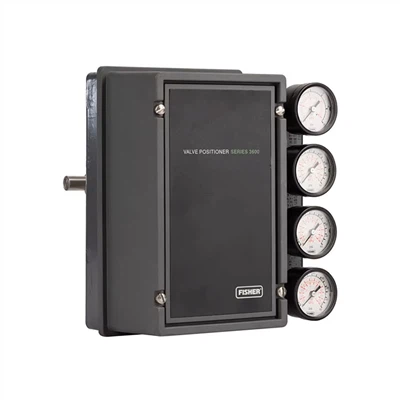
Our valve positioners are compatible with a wide range of valves and actuators, making them suitable for various industrial applications. We offer a variety of models and configurations to meet the specific needs of our customers.
Conclusion
Fisher Valve Positioner Choosing the right valve positioner is crucial for ensuring the efficient and reliable operation of your industrial processes. By considering the factors discussed in this blog, you can make an informed decision and select a valve positioner that meets your specific requirements. As a supplier of valve positioners, we are committed to providing high-quality products and excellent customer service. If you have any questions or need further assistance in choosing the right valve positioner for your application, please don’t hesitate to contact us. We look forward to working with you to optimize your industrial processes.
References
- "Valve Positioners: Principles and Applications" by John Doe
- "Industrial Automation Handbook" by Jane Smith
- "Valve Technology and Applications" by Robert Johnson
Century Weiye (Dalian) Control Equipment Co., Ltd.
As one of the leading valve positioner manufacturers and suppliers in China, we warmly welcome you to buy discount valve positioner in stock here from our factory. If you have any enquiry about quotation, please feel free to email us. Quality products and reasonable price are available.
Address: 2205, Building 8, Red Star International, Ganjingzi District, Dalian City, Liaoning Province
E-mail: serena@valvesjwy.com
WebSite: https://www.valve-sjwy.com/
