If you’ve ever stood in the lobby of a mid-rise office building, warehouse, or multi-story residential complex, glancing at the metal plate above an elevator door that reads “STEEL SHAFT ELEVATOR” and wondered about the unseen systems that keep people and goods moving safely, you’re not alone. As the owner of a steel shaft elevator supply company—someone who’s spent the last 12 years working with engineers, building managers, and safety inspectors to design, install, and maintain these structures—I get asked this question all the time: What happens if something goes wrong mid-ride? More specifically, what’s the emergency exit plan for a steel shaft elevator? Steel Shaft Elevator
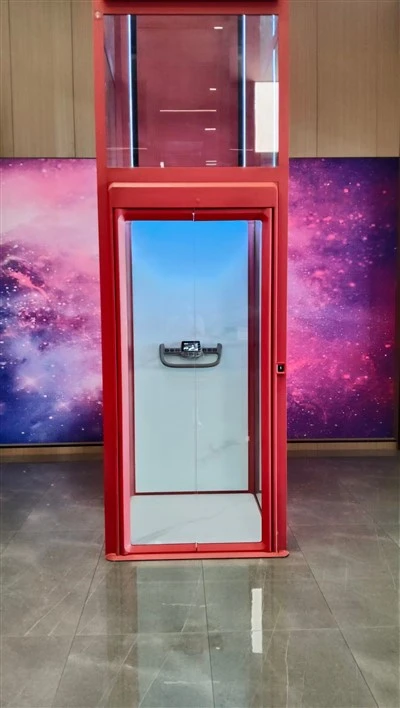
The truth is, this isn’t a “wait and hope for the best” process. For every steel shaft elevator that leaves our workshop, we build and document a step-by-step emergency exit plan tailored to its load capacity, shaft height, and intended use. Over the years, I’ve seen elevator scares turn into non-events because that plan was clear, tested, and communicated to everyone who might need it. Today, I want to break down exactly what that plan entails—from what happens the second the elevator stops moving to how riders get out safely, and why it’s non-negotiable for anyone who uses or maintains these machines.
First, let’s get one thing straight: steel shaft elevators are among the safest vertical transportation systems ever built. The steel shaft itself isn’t just a structural frame—it’s a fail-safe barrier that contains the elevator car, its cables, and counterweights within a rigid, fire-resistant structure. Unlike older shaft designs that used wood or lightweight concrete, steel can withstand extreme heat, impact, and structural stress, which is why we specify it for warehouses, parking garages, and high-traffic buildings where reliability is non-negotiable. But no machine is immune to mechanical issues: a power outage, a faulty sensor, or a cut cable can leave a car stranded between floors. That’s when the emergency exit plan kicks in.
The first step in our emergency plan is preventing panic. Riders trapped in a steel shaft elevator often assume the worst, but modern steel shaft elevators have two built-in safety systems that activate within seconds of a power or mechanical failure. First, the emergency brake: a heavy, spring-loaded clamp that snaps onto the steel guide rails running along the shaft walls, stopping the car from falling. Second, the backup power supply—usually a battery pack or small generator tied directly to the elevator’s control panel. This backup doesn’t just light the car’s interior; it runs a two-way intercom system and the car’s interior lights, so riders don’t stumble in the dark. Most people don’t know this, but every steel shaft elevator we supply comes with a non-function override button labeled “EMERGENCY STOP” inside the car—we train riders never to press it, because that would disengage the brake. Instead, the only button they need to press is the intercom or “CALL FOR HELP” button, which connects directly to our 24/7 monitoring center or the building’s on-site property management team.
Once help is on the way, the next part of the plan depends on where the car is stranded. If the elevator is within 3 feet of an intermediate floor (a gap small enough for a rider to step across safely), our plan instructs first responders to use a portable access ladder that’s stored in the elevator’s top hatch or the control room. Here’s why steel shaft design matters: the steel shaft’s top has a reinforced access panel that’s locked with a special key only we, our certified technicians, and local fire departments have. Technicians can climb up the shaft’s steel guide rails to reach the car’s top hatch, unlock it, and lower a folding step stool for riders to climb out directly onto the intermediate floor. This is the fastest way to resolve a stranding—typically 15 minutes or less for cars within that close range—and it’s a key part of every steel shaft elevator’s emergency exit plan that we document at installation.
If the car is more than 3 feet from any floor, we don’t send technicians to climb the shaft’s steel rails—they use a different, more specialized approach. Every steel shaft elevator we install has a dedicated rescue anchorage point bolted to the top of the steel shaft, rated to hold 5,000 pounds of weight. We bring in a hydraulic rescue jack system, which attaches to that anchorage point and slowly pulls the elevator car upward until it’s aligned with the nearest landing. Why a steel shaft is critical here? The steel frame’s rigidity means the anchorage point won’t shift or fail under the jack’s pressure, which wouldn’t be the case with weaker, non-steel shafts. We test this system once every six months as part of our maintenance agreement, so our team knows exactly how long it takes to rescue a car stranded further from a floor—usually 20 to 30 minutes, well within the time frame local safety standards mandate.
Wait—what about power outages that last for hours, or during extreme weather when rescue teams might be delayed? That’s another part of our emergency exit plan for steel shaft elevators: we install a secondary escape ladder inside the steel shaft itself, not outside. It’s a heavy-duty aluminum ladder bolted to the steel guide rails, running the full height of the shaft, with a landing platform at each floor. We make sure this ladder is never blocked by the elevator car or counterweights, and we provide every building manager with a map of the shaft’s interior that marks where the ladder is, so in a worst-case scenario, riders can climb down the ladder to their floor if the car’s escape hatch is inaccessible. This is a feature we only add to steel shaft elevators—because wood or concrete shafts can’t support the weight of a long, continuous ladder, but steel can, without warping or shifting over decades of use.
I’ve thought a lot about what makes a good emergency exit plan, because I’ve seen a few close calls. Two years ago, we supplied a steel shaft elevator to a 10-story warehouse in Chicago. The night after installation, a storm knocked out power for 45 minutes, leaving three forklift operators trapped in the car on the 7th floor. The building’s property manager followed our plan: they had riders press the intercom, call our monitoring center, and wait for help. Our technician arrived in 18 minutes, used the portable ladder to reach the car’s top hatch, and helped the operators step out safely onto the 7th floor. No injuries, no panic—all because the plan was clear, and the steel shaft’s design made it easy to execute. Later, the warehouse manager told me that before they switched to our steel shaft elevators, their old concrete shaft elevator had a similar stranding that took two hours to resolve, because the ladder inside the concrete shaft had shifted and was blocked by debris. That’s the difference steel makes.
Of course, a good emergency exit plan isn’t just about the technical systems—it’s about training. Every building that buys a steel shaft elevator from us gets free training for its property management team, fire wardens, and even regular employees, so they know exactly what to do if someone is trapped. We walk them through the steps: don’t pry open the elevator doors from the inside (those doors are heavy, and they can shift in the steel shaft, causing a fall), don’t try to climb out through the regular doors, use the intercom first. We also provide each building with a laminated card that has emergency contact numbers, step-by-step instructions, and a diagram of the steel shaft’s access points—small details that make a big difference when time is tight and people are stressed.
Some people ask me why we don’t just install rescue hatches on every floor of the steel shaft elevator, so riders can exit directly from the car. The answer is simple: cost, and safety. Adding hatches to every floor would require modifying the steel shaft’s structure, which adds thousands of dollars to the installation cost, and it also weakens the shaft’s fire-resistance properties. Our plan is tailored to balance safety, cost, and accessibility—something we’ve refined over 12 years of supplying steel shaft elevators to everything from small retail centers to 20-story apartment buildings.
The biggest misconception I hear is that steel shaft elevators are harder to evacuate in an emergency. If anything, the opposite is true. The steel frame’s rigidity means the elevator is less likely to tip or fall, the guide rails provide a stable structure for rescue, and the emergency systems are more reliable because we can ground and test them directly to the steel frame, which acts as a natural conductor for power and safety signals. We also test every emergency exit plan as part of our routine maintenance—twice a year, we simulate a stranding at different heights, to make sure our technicians and the building’s staff can execute the plan quickly and safely.

At the end of the day, my job as a steel shaft elevator supplier isn’t just to sell a product—it’s to provide peace of mind. Every elevator we leave our workshop with has an emergency exit plan that’s been designed, tested, and documented, so no matter what goes wrong, riders know what to do, and help is on the way. If you’re outfitting a new building, replacing an old elevator, or just want to learn more about how steel shaft elevators keep people safe, I’d encourage you to reach out to us to discuss your needs. We can walk you through our full safety protocols, show you how our emergency exit plans work, and make sure your vertical transportation system is as safe as it can be.
Concrete Shaft Elevator References
ASME A17.1: Safety Code for Elevators and Escalators
National Elevator Industry Inc. (NEII): Emergency Response Guidelines for Elevator Systems
OSHA 29 CFR 1910.66: Powered Platforms, Manlifts, and Vehicle-Mounted Work Platforms
Zhejiang Homeway Elevator Co., Ltd.
Zhejiang Homeway Elevator Co., Ltd. is one of the most professional steel shaft elevator manufacturers and suppliers in China. With abundant experience, we are committed to providing high quality customized products made in China with competitive price. If you’re going to buy CE approved steel shaft elevator, welcome to get quotation from our factory.
Address: No.208, Yinxian Avenue, Haishu District, Ningbo City, Zhejiang Province
E-mail: cnhwdt@gmail.com
WebSite: https://www.homewayelevator.com/
