If you’ve ever shown up to a flower delivery drop-off only to find a batch of sunflowers drooping at the edges or peonies already browning at the petals, you know how quickly a beautiful floral arrangement can go from stunning to disappointing. As someone who’s spent the last decade running an insulated bag supply company, I get asked this question all the time: Can an insulated bag be used for carrying flowers? The short answer is yes—way more than yes, actually. It’s a game-changing solution for anyone who needs to transport fresh blooms, and I’ve watched it turn small flower shops, wedding planners, and even home gardeners’ floral trips from stressful to seamless. Let me break down why this works, the science behind it, and how to make the most of this pairing, based on what I’ve seen work with hundreds of insulated bag clients over the years. Insulated Bag

First, I need to pull back the curtain on what flowers actually need to stay fresh during transport. Most people think flowers are just stems and petals, but their survival depends on two non-negotiable factors: consistent temperature and controlled humidity. When you leave flowers in a paper bag or a regular cloth tote, the temperature swings wildly—especially if you’re moving from a warm car to a cold outside venue, or vice versa. Flowers are highly sensitive to ethylene gas too, which is released by ripening fruit, warm air, and even the flowers themselves as they age. Too much ethylene speeds up wilting, turning, and dropping petals before they ever reach their destination. Insulated bags, designed with reflective liners and thick insulating foam, are built to buffer exactly these variables.
Let’s get a little science-y here, because I don’t just want to tell you it works—I want to explain why my insulated bags outperform other options for flowers. The insulating layers in our standard insulated bags are usually a combination of closed-cell foam and a metallic reflective liner (think: the same kind of liner used in emergency space blankets, scaled up for everyday use). That reflective layer doesn’t just look shiny—it bounces 95% of radiant heat away from the bag’s contents, which is critical when transporting flowers in direct sun or a cold car. The foam layer, meanwhile, is a poor conductor of heat or cold, so it slows down the transfer of external temperatures into the bag. For flowers, that means a stable 34–38 degrees Fahrenheit (or 1–3 degrees Celsius) for cut blooms—this is the sweet spot for slowing respiration, which is the process where flowers burn their stored energy and start to wilt.
Humidity is another big one that insulated bags fix. Cut flowers need a high humidity environment to prevent their stems and petals from drying out. Paper bags and plastic grocery bags (which most people default to) are too porous or too tight: paper lets moisture escape too quickly, while unlined plastic traps condensation that can make stems rot. Insulated bags strike the perfect balance. The liner creates a semi-sealed environment that retains the natural moisture released by the flowers, keeping their petals plump and their stems hydrated, without the soggy, moldy mess that comes from bad packaging. I remember a client a couple years ago—she was a small wedding planner in Portland, Oregon, who would regularly drive 2 hours to source peonies in the spring. Before she started using our insulated bags, half her peonies would turn brown on the ride because the rain-cooled air would get replaced by warm heater air in her car mid-trip. After switching, not a single batch of peonies wilted in transit, and she was able to offer longer delivery distances to clients. That’s the kind of win I love to see.
Now, not all insulated bags are created equal for flowers, and I’ve learned through trial and error (and a lot of client feedback) that there are specific features to look for when choosing one for floral transport. First, size matters. If you’re carrying individual bouquets, a small, soft-sided insulated tote works great—it fits easily in a car seat, and the fabric is flexible enough to tuck into a corner without crushing petals. But if you’re transporting larger arrangements, like bulk orders for a grocery store or a whole wedding party’s centerpieces, you need a bag with a rigid base. Our floral-specific insulated bags (we actually designed these after that wedding planner client reached out) have a reinforced bottom and adjustable dividers, so you can slot individual vases without them tipping over. I’ve seen too many flower shops use regular insulated lunch bags for bulk orders, only to have a vase tip, spilling water all over the other arrangements and ruining an entire order. The dividers in our bags prevent that.
Another key feature is a ventilation port. Wait—this might sound counterintuitive, because we just talked about humidity, but cut flowers don’t want to be airtight 24/7. If you leave them sealed in a non-ventilated insulated bag for 6 hours or more, the build-up of ethylene gas can still cause damage. That’s why we add small, adjustable ventilation holes to all our insulated bags for floral use. These holes let excess ethylene escape while still retaining enough moisture to keep flowers fresh. It’s a tiny detail, but it makes all the difference for long-distance transport. For example, a flower shop in Chicago uses our extra-large insulated bags to ship arrangements to local retail locations 45 minutes away. Without the ventilation, the roses would have minor browning by the time they arrived; with it, they stay vibrant for 5+ hours after delivery.
I also want to address a common misconception: insulated bags aren’t just for hot weather. In fact, they’re even more useful in cold weather. Most people think flowers need to be kept cool in summer, but in freezing temperatures, water in the stems can freeze, burst the cells, and cause permanent wilting. Insulated bags trap heat from the flowers themselves and slow down the transfer of cold air, keeping the internal temperature above freezing. Last winter, I had a client who was delivering holiday poinsettias to corporate offices. Before using our bags, 1 out of every 8 poinsettias would freeze on the 30-minute drive in cold wind. After switching, that number dropped to zero. It’s not just about keeping things cold—it’s about keeping the temperature stable, no matter what’s outside.
Of course, there are a few best practices to follow if you’re using an insulated bag for flowers, and I’ve picked these up from years of working with floral clients. First, prep the flowers before you put them in the bag. Make sure their stems are cut at a 45-degree angle (which allows them to absorb more water) and that any leaves that would be below the water line are removed—this prevents bacteria from growing in the water. If you’re transporting arrangements in vases, fill the vases with fresh, room-temperature water first, and keep the blooms upright. Second, don’t overstuff the bag. If you cram arrangements in so tight that petals are pressing against each other, you’ll get bruising and wilting, even in the best insulated bag. Leave a little extra space so air can circulate gently between the flowers. Third, if you’re transporting flowers for longer than a few hours, add a small, reusable ice pack (wrapped in a towel, so it doesn’t touch the flowers directly) to the bottom of the bag. This will help maintain that perfect 34–38 degree temperature, without making the bag too cold.
I’ve also seen some creative uses for insulated bags with flowers that I never would have thought of early on. A home gardener in Ohio started using our small insulated bags to transport her own cut flowers to farmers’ markets. She would fill the bag with her arrangements, and even sell extra bouquets right in the bag—her customers loved that they got a way to keep their flowers fresh on the way home. A bakery in Austin uses our insulated bags to pair custom flower arrangements with their cakes for wedding orders, because they keep both the cake cool and the flowers fresh during delivery. It’s not just a transport tool—it’s a little extra value add for customers.
Now, if you’re a flower shop, wedding planner, garden center, or even someone who just loves bringing flowers to a friend’s house, you might be wondering how to pick the right insulated bag for your needs. As an insulated bag supplier, I always tell clients to assess two things: how much you’re transporting, and how far. If you’re carrying a single bouquet 10 minutes down the road, a small, lightweight insulated tote works. If you’re moving 20 arrangements 2 hours away for a wedding, you’ll need a larger, rigid-bag with dividers and ventilation. And if you’re shipping flowers long-distance, we even have insulated liners that fit inside standard shipping boxes, which maintain temperature for up to 48 hours.
I’ll be honest: when we first started designing insulated bags for floral use, it felt like a niche product. But over the past 5 years, I’ve seen how much it matters to people who work with flowers. A bouquet isn’t just a bunch of stems and petals—it’s hours of work, a thoughtful gift, a centerpiece for a special day. When that bouquet arrives fresh, bright, and exactly as it was intended, it makes everyone involved happy. I’ve had clients tell me that using our insulated bags helped them grow their business—they can now take on clients who need delivery to farther locations, or offer bulk orders that they never would have been able to fulfill before. That’s the kind of impact I love being part of.
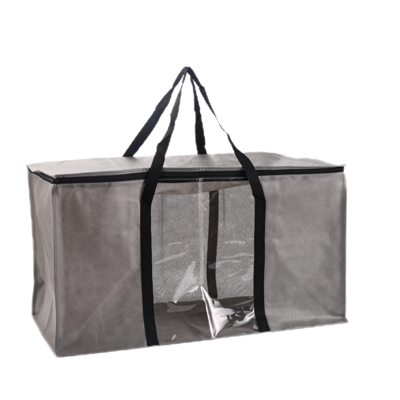
If you’re ready to find the right insulated bag for your flower transport needs, I’m here to help. Whether you’re a small independent flower shop just starting out, a large retail chain, or an event planner who needs custom sizes, we can work with you to create a solution that fits your specific requirements. Don’t let wilted flowers ruin your next big order or special event—reach out to discuss how our insulated bags can keep your blooms fresh, vibrant, and ready to impress.
Non Woven Shopping Bags References:
- Nowak, J., & Rudnicki, R. M. (1990). Postharvest physiology and technology of cut flowers. Timber Press.
- Reid, M. S. (Ed.). (2002). Growth regulators in postharvest fruit and vegetable technology. Marcel Dekker.
- Kader, A. A. (Ed.). (2002). Postharvest technology of horticultural crops. University of California, Division of Agriculture and Natural Resources.
- Van der Meulen-Muisers, J. J. M., & Van Tuyl, J. M. (1997). Effects of temperature and relative humidity on keeping quality of cut rose flowers. Postharvest Biology and Technology, 10(2), 157–165.
Jiade (Wenzhou) Daily Necessities Co., Ltd.
As one of the most professional insulated bag manufacturers and suppliers in China, we’re featured by quality products and good price. Please rest assured to buy bulk discount insulated bag from our factory. We also accept customized orders.
Address: Building2,NO.1299,keji Road, Longgang City,Wenzhou City,Zhejiang Province,China.
E-mail: lhf@lianhaibag.com
WebSite: https://www.jiadebag.com/
