As a supplier of orifice gate valves, I get asked this question all the time—from new engineers just starting out in process industries to seasoned operators who’ve been troubleshooting valve issues for decades. A lot of folks see the gate valve as a simple on-off device, and when an orifice version comes up, they assume it’s just a standard gate valve with a different hole. But the sealing mechanism is where the orifice gate valve sets itself apart, and it’s the core of why it’s trusted in applications where flow control and leak-tightness aren’t just conveniences—they’re requirements. Let me break this down how I explain it to customers every day, no jargon overload, just real, practical engineering. Orifice Gate Valve
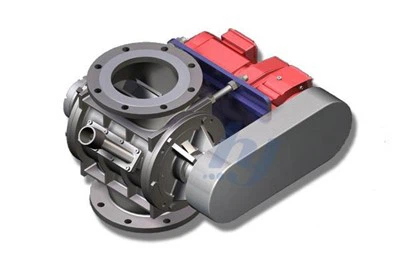
First, let’s ground this in what makes an orifice gate valve different from a regular gate valve. A standard gate valve has a solid gate that moves up and down to open or close the full bore of the pipe. That works for many general applications, but if you need consistent, controlled flow through a fixed, precise opening without the risk of the gate swinging or warping under pressure, an orifice gate valve is the answer. The “orifice” here refers to the precisely machined, fixed opening in the valve’s seat and gate assembly—it’s sized to match your system’s flow requirements, so you don’t have to adjust it on the fly. But that fixed orifice only matters if the seal around it is perfect, every time you close the valve. That’s where the sealing mechanism lives.
Let’s walk through the operation step by step, because the sealing happens in phases, not just a single snap shut. When the valve is fully open, the gate is raised completely out of the flow path, so the entire pipe bore is unobstructed. That’s great for low-pressure drop applications, but when you turn the handwheel (or actuate the valve remotely, which most of our customers prefer for heavy-duty systems) to close it, the gate moves downward. The first part of the seal isn’t between the gate and the seat yet—it’s between the gate’s face and the valve’s body seat ring, two precision-machined metal surfaces. Wait, metal-on-metal? That sounds harsh, but here’s the key: the orifice gate valve’s seat and gate are lapped to a mirror finish, so when they meet under controlled pressure, they form a primary metal-to-metal seal. No soft elastomers to degrade from high temperatures or corrosive fluids, which is a huge advantage for industries like chemical processing, oil and gas, or power generation where soft seals might fail.
But a primary metal seal alone isn’t enough for 100% leak-tightness—especially when you’re dealing with volatile or hazardous fluids. That’s where the secondary sealing elements come in, and this is where our design as a supplier really shines. Unlike some generic orifice valves that skimp on secondary seals, our orifice gate valves have two secondary seals working in tandem: a backseat and a side seal. The backseat is a soft seal (usually a PTFE or filled polymer ring) positioned on the stem, the rod that moves the gate up and down. When the gate is fully open, the stem extends past the backseat, so the backseat doesn’t do anything. But when you close the valve, once the gate is seated against the body ring, the stem continues moving a tiny bit, and the backseat slides into a machined pocket in the valve’s body, creating a barrier around the stem to prevent fluid from leaking out along the stem. That’s a critical point—leakage around the stem is one of the most common issues with gate valves, and the backseat eliminates that without adding friction when the valve is open.
The side seal is another overlooked part. On each side of the gate, we machine a narrow groove that holds a solid metal o-ring or a spring-loaded wedge seal. As the gate moves down to close, these side seals press against the inside walls of the valve’s body, creating a ring seal around the entire orifice opening. Think of it like a gasket that’s built into the gate, not a separate part. This seal is especially important in high-pressure systems, where the fluid itself pushes against the sides of the gate, reinforcing the side seal and making it even tighter. No chance of the gate shifting sideways under pressure and breaking the primary seat seal.
Now, let’s address a question I get all the time: why is this sealing mechanism better than other valve types, like ball valves or globe valves? A ball valve’s seal is around the ball, but if the ball has any minor wear, it can create a leak path. Globe valves have a disk and seat, but they’re designed for throttling, not bubble-tight shutoff. The orifice gate valve’s sealing is consistent because the orifice size is fixed—no moving parts in the seal itself to wear unevenly. And because the gate moves perpendicular to the flow direction, there’s no risk of the seal being damaged by flow-induced vibration, which is a common problem in pipelines that carry fluctuating flow.
I should also mention material considerations, because the sealing only works if the materials are matched to your application. For example, if you’re working with superheated steam at 1000°F, we use stainless steel gates and seats with a hard chrome plating to resist galling (that’s when two metal surfaces fuse together under pressure, right as they meet). If you’re handling corrosive acids, we’ll use Hastelloy or Monel for the seat rings and gate faces, so the lapped finish stays intact. The backseat material also gets matched—for high-temperature applications, we use graphite-based polymers instead of standard PTFE, which can creep at extreme heat. That’s the kind of detail a good supplier knows to check—we don’t just send a one-size-fits-all valve; we make sure the sealing mechanism is optimized for your specific operating conditions.
Wait, let’s talk about what happens when the sealing does fail, because that’s the worst case. Most leaks in orifice gate valves are from improper installation, not design flaws. For example, if the body isn’t properly aligned in the pipe, the gate can tilt when it closes, so the seat isn’t fully engaged. That’s why we always work with customers to make sure the valve is installed correctly, with the proper flange alignment and torque on the bolts. Another common issue is not breaking the valve in properly—when the gate and seats are new, they need a few cycles to wear in together, so a light initial closing pressure is better than cranking the handwheel tight right away, which can scratch the seat and ruin the seal. That’s a practical tip I share with every customer, because even the best sealing mechanism won’t work if it’s abused during installation or operation.
As a supplier, we also test every orifice gate valve before it leaves our warehouse, right at the sealing mechanism. We do a bubble-tight test with nitrogen at the rated pressure, so if there’s any leak in the seat, backseat, or side seal, we catch it before it ships. A lot of cheaper valves skip this step, but for our customers, leak-tight shutoff is non-negotiable. I’ve had customers tell us that our orifice gate valves have cut their maintenance time by 70% compared to the previous valves they were using, and a big part of that is the consistent, reliable sealing mechanism.
Now, let’s wrap this up with what this means for you, the end user. Whether you’re building a new processing plant, upgrading an existing pipeline, or troubleshooting a persistent leak, the orifice gate valve’s sealing mechanism is designed to deliver long-term performance in harsh conditions. It’s not the simplest seal, but it’s one of the most effective for applications where you need fixed flow, bubble-tight shutoff, and resistance to wear and corrosion.

If you’re in the market for an orifice gate valve and want to make sure you’re getting one with a sealing mechanism that works as hard as your system does, reach out to our team to discuss your specific requirements. We’ll walk you through the design, material selection, and testing process to make sure the valve fits your needs perfectly.
Cartridge Dust Collector References
- Valve Manufacturers Association. (2021). Standard for Valves for Process Piping.
- Engineering Toolbox. (2020). Gate Valve Sealing Mechanisms.
- ASME B16.34. (2019). Valves – Flanged, Threaded, and Welding End.
- Chemical Processing Magazine. (2022). Selecting Valves for Corrosive Service Applications.
Shanghai Hanye Engineering Technology Co., Ltd.
As one of the most experienced orifice gate valve manufacturers and suppliers in China, we offer a wide range of products with superior quality. We warmly welcome you to buy customized orifice gate valve at competitive price from our factory. For more information, contact us now.
Address: Building 7, No. 428 Banqiao East Road, Shanyang Town, Jinshan District, Shanghai
E-mail: Windy@hanye-tech.com
WebSite: https://www.hanyeconveying.com/
