AdBlue, also known as Diesel Exhaust Fluid (DEF), plays a pivotal role in modern diesel engines. It helps reduce harmful nitrogen oxide (NOx) emissions, making vehicles more environmentally friendly and compliant with strict emission standards. As a dedicated AdBlue pipe supplier, I’m often asked about how these pipes are installed. In this blog, I’ll take you through the entire process of AdBlue pipe installation, from understanding the components to the post – installation checks. AdBlue Pipe

Understanding the AdBlue System and Its Components
Before diving into the installation process, it’s crucial to have a basic understanding of the AdBlue system. The system consists of a storage tank, a dosing module, sensors, and of course, the AdBlue pipes. The AdBlue pipes are responsible for transporting the AdBlue fluid from the storage tank to the dosing module and then into the exhaust system.
The pipes are typically made of materials that can withstand the corrosive nature of AdBlue, such as high – density polyethylene (HDPE). They come in various sizes and lengths to fit different vehicle models and system configurations. The right selection of pipes is essential for the proper functioning of the AdBlue system.
Pre – installation Preparations
1. Gather the Necessary Tools
The tools required for AdBlue pipe installation may include a pipe cutter, wrenches, clamps, and a sealant. Make sure all tools are in good condition and appropriate for the job. A sharp pipe cutter will ensure a clean cut, which is vital for a leak – free connection.
2. Inspect the Pipes and Components
Before installation, carefully inspect the AdBlue pipes and other components. Look for any signs of damage, such as cracks, scratches, or dents. Check the fittings and connectors to ensure they are clean and undamaged. If any component is faulty, replace it immediately to prevent future system failures.
3. Study the Vehicle’s Manual
Each vehicle has its own specific layout and requirements for the AdBlue system. Refer to the vehicle’s service manual to understand the exact routing of the pipes, the location of the storage tank, dosing module, and other components. This will help you install the pipes correctly without causing any interference with other parts of the vehicle.
Step – by – step Installation Process
1. Locate the AdBlue Storage Tank
The first step is to locate the AdBlue storage tank. In most vehicles, it is usually located near the diesel fuel tank. Once you’ve found the tank, visually inspect the connections and the area around it. Clean the area to ensure there is no dirt or debris that could get into the system during installation.
2. Cut the Pipes to the Right Length
Using the pipe cutter, cut the AdBlue pipes to the appropriate lengths as determined by the vehicle’s manual. Make sure to measure twice and cut once to avoid any mistakes. After cutting, deburr the edges of the pipes to prevent damage to the seals and ensure a proper fit.
3. Install the Pipes from the Tank to the Dosing Module
Connect one end of the pipe to the outlet of the AdBlue storage tank. Use the appropriate fittings and clamps to secure the connection. Tighten the clamps properly to prevent leaks. Then, route the pipe along the designated path towards the dosing module. Make sure the pipe is not kinked or bent sharply, as this can restrict the flow of AdBlue.
When connecting the pipe to the dosing module, follow the same procedure of using the correct fittings and tightening the clamps. Some dosing modules may have specific connection points, so refer to the manual to ensure proper alignment.
4. Connect the Pipes to the Exhaust System
Once the pipe is connected to the dosing module, the next step is to connect it to the exhaust system. This is where the AdBlue is injected into the exhaust stream to reduce NOx emissions. There are usually special injection points on the exhaust pipe. Connect the pipe securely to this point using the provided fittings.
5. Install Sensors and Monitoring Devices
Many AdBlue systems are equipped with sensors to monitor the level of AdBlue in the tank and the flow of the fluid through the pipes. Install these sensors according to the manufacturer’s instructions. Make sure the wiring connections are secure and properly insulated to prevent any electrical malfunctions.
Post – installation Checks
1. Visual Inspection
After the installation is complete, conduct a thorough visual inspection of the entire AdBlue system. Check all the connections, fittings, and pipes for any signs of looseness or improper installation. Look for any visible leaks or damage.
2. Pressure Test
Perform a pressure test on the AdBlue system to ensure there are no leaks. This can be done by pressurizing the system with a small amount of air or using a specialized pressure – testing device. Monitor the pressure gauge for a few minutes to see if there is any drop in pressure, which could indicate a leak.
3. Functional Test
Start the vehicle and let the AdBlue system run. Check the dashboard to see if there are any error messages related to the AdBlue system. Monitor the AdBlue level indicator and the operation of the dosing module. Make sure the system is injecting the correct amount of AdBlue into the exhaust system.
4. System Calibration
Some AdBlue systems may require calibration after installation. Follow the instructions in the vehicle’s manual to calibrate the sensors and adjust the dosing settings. This will ensure the system operates at its optimal performance.
Common Installation Challenges and Solutions
1. Pipe Routing Issues
In some vehicles, finding a suitable path for the AdBlue pipes can be challenging due to limited space or interference with other components. If this occurs, carefully plan the routing and consider using flexible pipes or relocating some minor components if possible.
2. Leakage Problems
Leaks can occur at the connections or due to damaged pipes. If you notice a leak, first check the tightness of the clamps and fittings. If the problem persists, inspect the pipes for damage and replace the faulty section.
3. Sensor Malfunctions
Sometimes, sensors may not work properly after installation. This could be due to loose connections or incorrect calibration. Check the wiring connections and follow the calibration procedures to resolve the issue.
Why Choose Our AdBlue Pipes for Installation
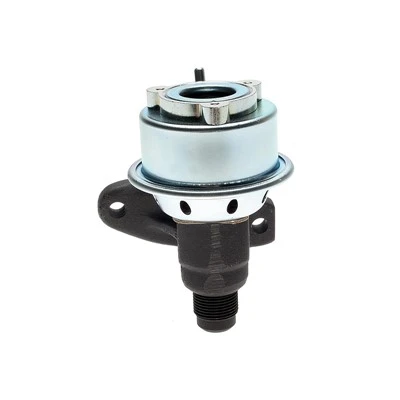
As an experienced AdBlue pipe supplier, we take pride in offering high – quality products. Our pipes are made from the best – grade materials that can resist corrosion, extreme temperatures, and mechanical stress. We offer a wide range of pipe sizes and lengths to fit different vehicle models and system requirements.
Our pipes are also designed with precision to ensure a perfect fit and easy installation. We provide detailed technical support and installation guides to assist our customers throughout the process. With our AdBlue pipes, you can have peace of mind knowing that your vehicle’s AdBlue system will operate efficiently and reliably.
Conclusion
EGR Valve Installing an AdBlue pipe is a process that requires careful planning, the right tools, and attention to detail. By following the steps outlined in this blog, you can ensure a successful installation of the AdBlue pipes in your vehicle. Whether you are a professional mechanic or a vehicle owner looking to upgrade your AdBlue system, our high – quality AdBlue pipes are the ideal choice.
If you’re interested in purchasing our AdBlue pipes for your installation needs or want to discuss further details, we’re here to help. Contact us for a personalized consultation and let’s start a conversation about how our products can meet your requirements.
References
- "Diesel Exhaust Fluid (DEF) Systems: Principles and Applications" by automotive engineering experts
- Vehicle service manuals for various makes and models
Wenzhou Pinyi Automobile Accessory Co., Ltd.
Wenzhou Pinyi Automobile Accessory Co., Ltd. is one of the most professional adblue pipe manufacturers and suppliers in China, also supports customized service with low price. Welcome to wholesale advanced adblue pipe in stock here and get pricelist from our factory. 2 years warranty is available.
Address: Building 5,Jiale Automobile Zhipei Tech.Park,No.88,Fengdu First Rd.Ruian City,Zhejiang Province,China
E-mail: manager@pyparts.com
WebSite: https://www.euroemissiontech.com/
