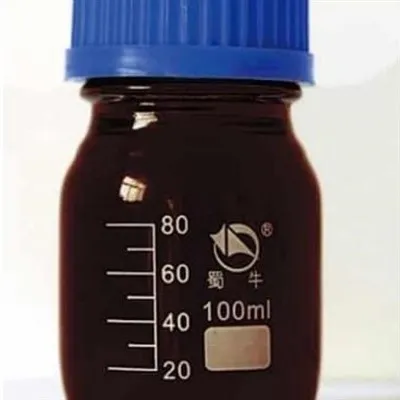
In the dynamic landscape of chemical industries, oleic acid derivatives stand out as a group of compounds with remarkable versatility and potential. As a dedicated provider of high – quality oleic acid derivatives, I’ve witnessed firsthand the growing interest in understanding their reactivity with metals. This blog aims to delve into the intricacies of these reactions, exploring their mechanisms, applications, and the implications for various sectors. Oleic Acid Derivatives
Understanding Oleic Acid Derivatives
Before delving into their reactivity with metals, it’s essential to have a clear understanding of oleic acid derivatives themselves. Oleic acid, a monounsaturated omega – 9 fatty acid, is commonly found in various natural sources such as olive oil, sunflower oil, and animal fats. Through chemical modifications, a wide range of derivatives can be synthesized, each with unique properties and functionalities.
Some of the most common oleic acid derivatives include esters, amides, and sulfonates. Oleic acid esters, for example, are formed by reacting oleic acid with an alcohol. These esters have excellent lubricating properties and are widely used in the formulation of lubricants, greases, and metalworking fluids. Amides, on the other hand, are produced by reacting oleic acid with an amine. They are often used in the synthesis of surfactants, detergents, and corrosion inhibitors. Sulfonates, obtained by sulfonating oleic acid, are utilized in the production of emulsifiers, wetting agents, and dispersants.
Reactivity Mechanisms with Metals
The reactivity of oleic acid derivatives with metals is governed by several factors, including the chemical structure of the derivative, the nature of the metal surface, and the environmental conditions. One of the primary ways in which oleic acid derivatives interact with metals is through adsorption. The polar functional groups present in these derivatives, such as carboxyl, ester, amide, or sulfonate groups, can form weak bonds with the metal surface.
For instance, in the case of oleic acid esters, the carbonyl oxygen of the ester group can interact with the metal atoms on the surface through dipole – dipole interactions or hydrogen bonding. This adsorption process can lead to the formation of a protective film on the metal surface, which can prevent further corrosion and oxidation.
In some cases, chemical reactions can also occur between oleic acid derivatives and metals. For example, when oleic acid reacts with a metal such as iron or copper, it can form metal carboxylates. These carboxylates can act as corrosion inhibitors by forming a stable layer on the metal surface that blocks the access of oxygen and moisture. The reaction mechanism typically involves the donation of a proton from the carboxyl group of oleic acid to the metal, followed by the formation of a covalent bond between the carboxylate anion and the metal cation.
Applications in Different Industries
Lubrication Industry
In the lubrication industry, the reactivity of oleic acid derivatives with metals plays a crucial role. The adsorption of these derivatives on metal surfaces can reduce friction and wear between moving parts. For example, oleic acid esters are commonly used as base stocks in synthetic lubricants. Their ability to form a boundary lubrication film on metal surfaces helps to prevent direct metal – to – metal contact, thus extending the service life of machinery and reducing energy consumption.
Metalworking Industry
In metalworking operations such as cutting, grinding, and forming, oleic acid derivatives are often used as additives in metalworking fluids. These derivatives can react with the metal surface to form a thin protective layer, which helps to cool the cutting tool, reduce friction, and prevent the formation of built – up edge. This results in improved surface finish of the machined parts and increased tool life.
Corrosion Protection Industry
The corrosion protection of metals is a major concern in many industries, including construction, automotive, and marine. Oleic acid derivatives, especially those with corrosion – inhibiting properties, are widely used in the formulation of anti – corrosion coatings and inhibitors. The formation of metal carboxylates or other reaction products on the metal surface can prevent the penetration of corrosive agents such as oxygen, water, and salt ions, thereby protecting the metal from corrosion.
Environmental and Safety Considerations
When dealing with the reactivity of oleic acid derivatives with metals, it’s also important to consider environmental and safety aspects. Many oleic acid derivatives are biodegradable, which makes them a more environmentally friendly option compared to some traditional chemical compounds. However, proper handling and disposal procedures should still be followed to ensure the safety of workers and the environment.
Some oleic acid derivatives may release volatile organic compounds (VOCs) during the reaction with metals, especially under high – temperature conditions. Therefore, appropriate ventilation systems should be in place to minimize the exposure of workers to these potentially harmful substances. Additionally, the disposal of waste products generated from these reactions should comply with local environmental regulations.
Case Studies
Let’s take a look at some real – world case studies to better understand the practical applications of the reactivity of oleic acid derivatives with metals.
In a large – scale manufacturing plant that produces automotive engine components, the use of oleic acid esters in the metalworking fluid has significantly improved the machining efficiency. The esters formed a protective film on the cutting tools, reducing the friction and wear. As a result, the tool life was extended by up to 30%, and the surface finish of the machined parts was significantly enhanced. This not only reduced the production cost but also improved the overall quality of the engine components.
In the marine industry, a corrosion – inhibiting coating formulated with oleic acid derivatives was applied to the hulls of ships. The derivatives reacted with the metal surface to form a stable protective layer, effectively preventing the corrosion caused by saltwater and oxygen. Long – term monitoring showed that the corrosion rate was reduced by more than 50% compared to untreated hulls, which saved substantial maintenance costs and increased the service life of the ships.
Future Outlook
The field of oleic acid derivatives and their reactivity with metals is continuously evolving. With the increasing demand for more sustainable and efficient chemical solutions, there is a growing interest in developing new types of oleic acid derivatives with enhanced reactivity and performance.
Advances in materials science and computational chemistry are enabling researchers to design and synthesize oleic acid derivatives with tailored properties. For example, derivatives with specific functional groups can be engineered to have better adsorption on certain types of metals or to react more effectively under different environmental conditions.
In addition, the integration of oleic acid derivatives with other advanced materials, such as nanoparticles and polymers, may lead to the development of novel materials with unique properties. These composite materials could find applications in high – tech industries such as aerospace and electronics.
Connect for Business
As a leading supplier of oleic acid derivatives, we are committed to providing high – quality products and excellent customer service. Our extensive range of oleic acid derivatives is carefully formulated to meet the diverse needs of different industries. Whether you are in the lubrication, metalworking, or corrosion protection sector, we have the right solution for you.
Our technical team is always ready to offer professional advice on the selection and application of our products. We understand the importance of the reactivity of oleic acid derivatives with metals in your processes, and we can help you optimize your operations to achieve the best results.
Dithiophosphate If you are interested in learning more about our oleic acid derivatives or would like to discuss a potential business partnership, please feel free to reach out. We look forward to the opportunity to work with you and contribute to the success of your business.
References
- Pawlowski, K. (2008). Chemical Environments and Corrosion in Foundations. Wiley.
- Riggs, H. R. (2019). Handbook of Lubrication and Tribology, Volume III: Applications. CRC Press.
- Townsend, D. P., & King, S. B. (2015). Metalworking Fluids: Chemistry and Technology. CRC Press.
Bitop Bihope Qingdao Mining Co., Ltd
Bitop Bihope Qingdao Mining Co., Ltd. is one of the most professional oleic acid derivatives manufacturers and suppliers in China, featured by quality products and low price. Please rest assured to buy discount oleic acid derivatives in stock here and get quotation from our factory. Customized orders are welcome.
Address: Room 410, 4th Floor, Shengquan Business Building, No. 263 Yitong Road, Huangdao District, Qingdao City, Shandong Province, China
E-mail: btbhmining@163.com
WebSite: https://www.btbhmining.com/
