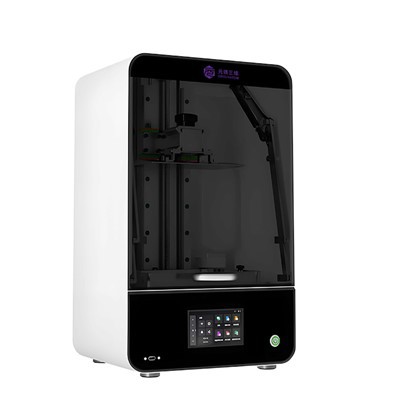
In the dynamic world of 3D printing, technological advancements are constantly pushing the boundaries of what is possible. As a supplier of MJP 3D printers, I am often asked about the capabilities of our machines, especially when it comes to using specialized materials. One question that frequently arises is whether the MJP 3D printer can print with anti – static materials. In this blog post, I will delve into this topic, exploring the science behind anti – static materials, the features of MJP 3D printers, and the potential of using these printers with anti – static substances. MJP 3D Printer
Understanding Anti – Static Materials
Anti – static materials are substances designed to reduce or eliminate the buildup of static electricity. Static electricity is generated when two materials come into contact and then separate, causing a transfer of electrons. This buildup can lead to a variety of problems, such as attracting dust and debris, interfering with electronic components, and even causing sparks that can be a safety hazard in certain environments.
There are two main types of anti – static materials: additive – based and inherently anti – static. Additive – based anti – static materials are created by adding anti – static agents to a base material. These agents work by either conducting electricity to dissipate the static charge or by attracting moisture from the air, which helps to neutralize the charge. Inherently anti – static materials, on the other hand, have anti – static properties built into their molecular structure, without the need for additional additives.
Features of MJP 3D Printers
MJP (MultiJet Printing) 3D printers are known for their high – resolution printing capabilities, precision, and ability to work with a wide range of materials. These printers operate by jetting tiny droplets of liquid photopolymer onto a build platform, layer by layer. The photopolymer is then cured using ultraviolet light, solidifying each layer and creating a three – dimensional object.
One of the key advantages of MJP 3D printers is their ability to produce parts with smooth surfaces and fine details. This makes them ideal for applications where aesthetics and precision are important, such as in the production of jewelry, dental models, and consumer products. Additionally, MJP printers support the use of different materials, including rigid plastics, elastomers, and castable resins, which expand their potential uses across various industries.
Compatibility of MJP 3D Printers with Anti – Static Materials
The question of whether MJP 3D printers can print with anti – static materials is a complex one. On the one hand, the technology behind MJP printers is versatile, and in theory, it should be possible to use anti – static photopolymers. However, there are several factors to consider.
Material Properties
The first consideration is the physical and chemical properties of the anti – static materials. Anti – static agents can have different effects on the viscosity, curing time, and mechanical properties of the photopolymer. For example, some additives may increase the viscosity of the material, making it more difficult for the printer to jet the droplets accurately. This could result in poor print quality, such as uneven layers or clogging of the print nozzles.
Curing time is another important factor. The presence of anti – static agents may affect the way the photopolymer reacts to ultraviolet light. If the curing time is too long or too short, it can lead to problems with the solidification of the layers, causing the printed object to be weak or distorted.
Printing Environment
The printing environment also plays a role in the compatibility of MJP printers with anti – static materials. Static electricity can be a problem during the printing process itself, as it can attract dust and cause the printed layers to stick together unevenly. Anti – static materials are designed to combat static charge, but the effectiveness of these materials can be influenced by factors such as humidity and temperature in the printing environment. Maintaining a stable environment is crucial for ensuring successful prints when using anti – static materials.
Testing and Development
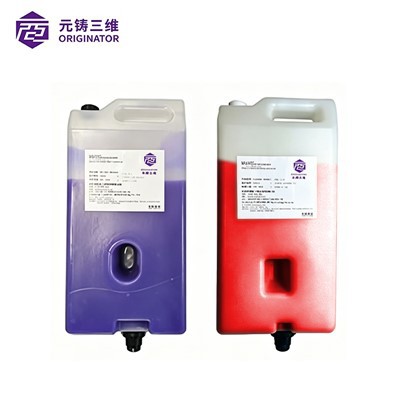
At our company, we understand the importance of providing our customers with accurate information about the capabilities of our MJP 3D printers. We have been actively involved in testing and developing solutions for printing with anti – static materials. Through a series of experiments, we have been able to identify certain anti – static photopolymers that are compatible with our printers.
We start by analyzing the properties of different anti – static agents and how they interact with the base photopolymer. We then conduct test prints using different settings, such as droplet size, layer thickness, and curing time, to optimize the printing process. This rigorous testing allows us to determine the best parameters for printing high – quality parts with anti – static materials.
Applications of MJP 3D Printing with Anti – Static Materials
If MJP 3D printers can successfully print with anti – static materials, there are numerous potential applications across various industries.
Electronics
In the electronics industry, anti – static materials are essential for preventing damage to sensitive components. MJP 3D printers can be used to produce custom enclosures, brackets, and connectors made from anti – static materials. These parts can help to protect electronic devices from static discharge during manufacturing, transportation, and use.
Packaging
Packaging is another area where anti – static materials are valuable. MJP 3D printing can be used to create custom packaging solutions for electronic products, such as trays and inserts. These anti – static packaging components can prevent static buildup and protect the products from damage during shipping and storage.
Healthcare
In the healthcare industry, anti – static materials can be used to produce medical devices and equipment. For example, MJP 3D printers can be used to create anti – static surgical tools, trays, and instrument holders. These parts can help to reduce the risk of static electricity interfering with sensitive medical electronics and ensure a safe and hygienic environment.
Conclusion
In conclusion, while there are challenges associated with using MJP 3D printers to print with anti – static materials, it is indeed possible with the right approach. Through careful testing and development, we have identified compatible materials and optimized printing parameters to ensure high – quality prints.
The potential applications of MJP 3D printing with anti – static materials are vast, offering solutions for industries such as electronics, packaging, and healthcare. As a supplier of MJP 3D printers, we are committed to providing our customers with the latest technology and support to help them achieve their printing goals.
Wax 3D Printer If you are interested in exploring the possibilities of using our MJP 3D printers with anti – static materials or have any other questions about our products, we encourage you to contact us for a procurement discussion. Our team of experts is ready to assist you in finding the best solutions for your specific needs.
References
- "Handbook of Static Electricity" by Donald R. Lide.
- "3D Printing Technologies: Principles and Applications" by Ian Gibson, David W. Rosen, and Brent Stucker.
- Industry reports on the use of anti – static materials in 3D printing from various research institutions.
Hangzhou Originator 3D Technology Co., Ltd.
Hangzhou Originator 3D Technology Co., Ltd. is one of the most experienced mjp 3d printer manufacturers and suppliers in China. With abundant experience, we warmly welcome you to wholesale high quality mjp 3d printer made in China here from our factory. Contact us for more details.
Address: Room 403, Building 2, Block B, Heda Incubation Park,No. 452, 6th Avenue, Xiasha, Qiantang District,Hangzhou, Zhejiang, China
E-mail: Sales@originator3d.com
WebSite: https://www.originator3d.com/
