Selecting the right titanium pipe fittings is a crucial decision for various industries, from chemical processing to aerospace. As a seasoned supplier of titanium pipe fittings, I’ve witnessed firsthand the impact that the right choice can have on the efficiency, safety, and longevity of a project. In this blog, I’ll share some insights and guidelines to help you make an informed decision when choosing titanium pipe fittings. Titanium Pipe Fittings
Understanding Titanium as a Material
Titanium is a remarkable metal known for its exceptional strength, low density, and excellent corrosion resistance. These properties make it an ideal choice for applications where durability and reliability are paramount. Titanium’s high strength – to – weight ratio allows for the construction of lightweight yet robust structures, which is particularly beneficial in aerospace and automotive industries. Its resistance to corrosion, even in harsh environments such as saltwater and acidic solutions, makes it suitable for chemical processing plants and marine applications.
When considering titanium pipe fittings, it’s important to understand the different grades of titanium available. The most common grades are Grade 2 and Grade 5. Grade 2 titanium is commercially pure and offers good formability and corrosion resistance. It is often used in general – purpose applications where high strength is not the primary requirement. Grade 5, also known as Ti – 6Al – 4V, is an alloy that contains aluminum and vanadium. It has significantly higher strength than Grade 2 and is commonly used in aerospace, medical, and high – performance engineering applications.
Assessing Your Application Requirements
The first step in choosing the right titanium pipe fittings is to assess your specific application requirements. Consider the following factors:
1. Pressure and Temperature
The operating pressure and temperature of your system are critical factors. High – pressure applications require pipe fittings that can withstand the forces without leaking or failing. Similarly, extreme temperatures can affect the mechanical properties of titanium. For high – temperature applications, you may need to choose fittings made from alloys that can maintain their strength and integrity under such conditions.
2. Corrosion Resistance
Evaluate the environment in which the pipe fittings will be used. If the system will be exposed to corrosive substances such as acids, alkalis, or saltwater, you need to select fittings with appropriate corrosion – resistant properties. Titanium’s natural oxide layer provides excellent protection against corrosion, but in some cases, additional surface treatments may be required for enhanced resistance.
3. Flow Rate
The flow rate of the fluid or gas in the system also influences the choice of pipe fittings. Fittings with a larger internal diameter can accommodate higher flow rates, reducing pressure drop and improving system efficiency. However, it’s important to balance the flow rate requirements with the overall system design and cost.
4. Compatibility with Other Materials
If your system involves other materials, such as valves, pumps, or gaskets, ensure that the titanium pipe fittings are compatible with these components. Incompatible materials can lead to galvanic corrosion or other chemical reactions that can compromise the integrity of the system.
Types of Titanium Pipe Fittings
There are several types of titanium pipe fittings available, each designed for specific applications. Here are some common types:
1. Elbows
Elbows are used to change the direction of the pipe. They come in different angles, such as 45 degrees and 90 degrees. The choice of elbow angle depends on the layout of the system and the space available.
2. Tees
Tees are used to split or combine the flow of fluid or gas in a pipe system. They can be equal – tee or reducing – tee, depending on whether the branches have the same or different diameters.
3. Couplings
Couplings are used to connect two pipes together. They can be threaded, welded, or flanged, depending on the application requirements. Threaded couplings are easy to install and remove, while welded couplings provide a more permanent and leak – proof connection.
4. Flanges
Flanges are used to connect pipes to other components, such as valves or pumps. They provide a strong and reliable connection and can be easily disassembled for maintenance or repair.
Quality and Certification
When choosing titanium pipe fittings, quality is of utmost importance. Look for suppliers who adhere to strict quality control standards. Reputable suppliers will have their products tested and certified to meet industry standards such as ASTM (American Society for Testing and Materials) or ISO (International Organization for Standardization).
Certification ensures that the pipe fittings meet the required specifications for strength, corrosion resistance, and other properties. It also provides assurance that the products have been manufactured using high – quality materials and processes.
Cost Considerations
Cost is always a factor when making purchasing decisions. While titanium pipe fittings may be more expensive than those made from other materials, their long – term benefits often outweigh the initial cost. Titanium’s durability and corrosion resistance can reduce maintenance and replacement costs over the life of the system.
When comparing prices, make sure to consider the quality, performance, and certification of the products. A lower – cost option may not always be the best choice if it does not meet the required standards or if it has a shorter lifespan.
Supplier Reputation
Choosing a reliable supplier is as important as choosing the right pipe fittings. A reputable supplier will have a proven track record of providing high – quality products and excellent customer service. Look for suppliers who have experience in the industry and who can offer technical support and advice.
You can check the supplier’s reputation by reading customer reviews, testimonials, and case studies. You can also ask for references from other customers and contact them to get feedback on their experience with the supplier.
Installation and Maintenance
Proper installation and maintenance are essential for the optimal performance of titanium pipe fittings. Follow the manufacturer’s installation instructions carefully to ensure a secure and leak – proof connection. Use the appropriate tools and techniques for installation, and make sure to inspect the fittings regularly for any signs of damage or wear.
In case of any issues or problems, contact your supplier for technical support. They can provide guidance on troubleshooting and maintenance procedures to keep your system running smoothly.
Conclusion
Choosing the right titanium pipe fittings is a complex process that requires careful consideration of various factors. By understanding your application requirements, assessing the different types of fittings available, and working with a reputable supplier, you can ensure that you select the best fittings for your project.
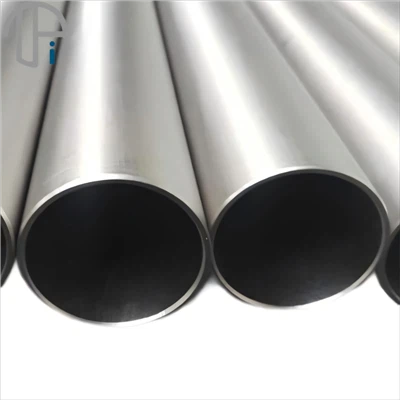
Titanium Tube If you’re in the market for high – quality titanium pipe fittings, I invite you to reach out to us. Our team of experts is ready to assist you in choosing the right products for your specific needs. We offer a wide range of titanium pipe fittings that meet the highest industry standards. Contact us today to start a discussion about your project and explore how our products can benefit your application.
References
- ASTM International. (Year). Standard specifications for titanium and titanium alloy seamless pipe and tube.
- ISO. (Year). International standards for metal pipe fittings.
- Titanium Manufacturers Association. (Year). Technical resources on titanium materials and applications.
Baoji Top Titanium Industry Co., Ltd.
As one of the most professional titanium pipe fittings manufacturers and suppliers in China, we’re featured by quality products and good price. Please rest assured to buy bulk titanium pipe fittings in stock here and get quotation from our factory. Customized orders are welcome.
Address: No. 2, South Section Of Phoenix 2nd Road,High-Tech Zone, Baoji,Shaanxi, China (Mainland)
E-mail: sales@bjtopti.com
WebSite: https://www.china-topti.com/
