Hey there, PVC Insulation Board

If you’ve ever been deep in the middle of a construction or renovation project—whether it’s a new commercial building, a residential retrofit, or even a DIY workshop setup—you’ve probably asked yourself a million little questions at every step. But one that I hear all the time from folks shopping around for PVC insulation boards is: “Wait, actually—are there any warranties for this stuff?” It’s such a valid question, honestly. Insulation is a long-term investment, right? You don’t want to drop cash on something that’s gonna start falling apart or losing its insulating power in a couple years, with no safety net to fall back on. As a PVC insulation board supplier, I get that concern better than most. I’ve spent years talking to contractors, facility managers, and even homeowners who’ve been burned by cutting corners on materials that didn’t hold up when they needed them to. So let’s break this down, real and unfiltered, no fancy jargon or corporate fluff.
First off, let’s get one thing straight: not all PVC insulation board warranties are created equal. That’s the biggest myth I run into—people think every warranty is the same, or that if it’s PVC, it’s either covered for life or not at all. Nope, it’s way more nuanced than that. Let’s start with what a warranty for our PVC insulation boards actually covers, because that’s the part that matters most.
First, there’s the material defect warranty. This is the base one that every reputable supplier should offer, no exceptions. For our boards, that covers things like manufacturing flaws that pop up within the first 10 years—think: warping that wasn’t caused by improper installation, discoloration that’s not from UV exposure (wait, more on that in a sec), or gaps in the chemical makeup that make the board lose its insulation rating faster than it should. Like, if you install a board that’s rated for R-value 5 per inch, and 3 years later it’s down to R-value 3 because of a defect in how it was made? That’s what this warranty is for. We’re talking about a measurable drop in performance, not just a little bit of wear and tear from normal use.
Then there’s the environmental damage warranty—wait, no, actually, let’s split that into two big buckets: UV exposure and moisture resistance. PVC is naturally pretty tough, right? It’s resistant to moisture, mold, and most chemicals, which is why it’s such a popular insulation material for things like exterior walls, crawl spaces, or even HVAC ducts. But that doesn’t mean it’s invincible. If you install a PVC board and leave it exposed to direct sunlight for months without a proper UV coating? Yeah, it’ll start to fade, get brittle, and crack over time. That’s not a manufacturing defect—that’s improper installation or not following the guidelines we give you. But if our boards come with a factory-applied UV stabilizer, and that stabilizer starts breaking down in 5 years when it’s supposed to last 15? That’s covered under our UV performance warranty. A lot of cheaper suppliers skip that stabilizer to cut costs, so their UV warranties are garbage. We don’t do that—our boards have that extra layer, and we back it up.
Now, here’s the part that trips a lot of people up: what’s not covered. Let’s be clear, because I’d rather be honest now than have someone frustrated later. Warranties don’t cover things like improper installation. That means if you install the boards too tight, or leave gaps between them that you don’t seal properly, or cut them wrong and they don’t fit right, that’s on you. They also don’t cover damage from accidental mishandling—like dropping a stack of boards on a job site and cracking them before you even install them, or using them for something they’re not meant for (like, don’t use a PVC insulation board as a step stool, that’s just asking for trouble). And they definitely don’t cover normal wear and tear over time. PVC insulation boards are designed to last 50+ years in optimal conditions, so a little bit of fading or minor surface scuffs after 20 years? That’s just part of owning a building, not a warranty claim.
Wait, let’s talk about the difference between a manufacturer’s warranty and a supplier’s warranty, because that’s another point I see people mix up. If you buy PVC insulation boards from a big-box store or a random online supplier, they’re often just passing along the manufacturer’s warranty, and if you have a problem, you have to deal with the manufacturer, which can be a nightmare—phone trees, runaround, no clear point of contact. But when you buy from a local supplier like me (shoutout to the small guys who actually care about their customers), we offer a supplemental warranty on top of the manufacturer’s that makes the process way easier. If you have a claim, you call me directly, not some 800 number in another state. We’ll send someone out to inspect the boards (if you’re local) or walk you through taking photos and measurements, and we’ll get you a replacement or a credit faster than any big brand would. That’s the value of buying from a trusted supplier, not just a price tag.
Let me also give you a real example from a couple years back, because that’s way more concrete than any explanation. A contractor I work with installed our PVC boards in a new warehouse in 2019. Last year, he reached out saying that some of the boards on the east wall were cracking. We sent our inspector out, and turns out, he’d installed the boards without sealing the edges properly, and water had gotten in during heavy rain in 2021, froze and expanded, and cracked the plastic. That’s improper installation, so it wasn’t covered under our warranty. But wait—he’d also installed a small section near the loading dock that had our UV coating, and that section was fine. The section where he’d used a cheaper, uncoated board from another supplier? It was brittle and crumbling. He ended up redoing that section with our boards, and told me later that the warranty clarity made all the difference. He didn’t have to deal with a runaround, he knew exactly what was covered before he even installed anything.
Now, let’s talk about how to actually make sure you get the warranty you’re owed, because a lot of people don’t know the steps. First, when you get your boards, inspect them immediately. Don’t wait until you’re halfway through the job. Check for any obvious defects—cracks, warping, uneven edges—mark them, and notify the supplier within 30 days of delivery. If you miss that window, a lot of warranties become void, even if the defect was there all along. Second, keep all your paperwork. The warranty doesn’t just apply to the boards—it applies to proper installation, so save the copy of the installation guide we send you, and keep records of who installed the boards (if you hired a subcontractor, get their details). Third, follow the maintenance guidelines. PVC is low-maintenance, but you still need to do occasional checks—wipe off dirt, make sure seals aren’t cracking, etc. Skipping those can void your warranty, even if it’s not your fault.
Wait, what about commercial vs. residential? A lot of homeowners ask if their residential PVC insulation boards have the same warranties as the ones for big office buildings. Short answer: mostly, but there are a few tweaks. Residential warranties are often slightly shorter (10 years for material defects vs. 12 for commercial) because residential projects are usually less high-stakes in terms of volume, but the coverage is the same. If you’re insulating your garage or basement, our residential warranty still covers manufacturing defects for a decade. And if you’re a small business owner, we can customize the warranty to fit your needs—like if you need a longer coverage period for a specific project, we can work that out.
Let’s also address the elephant in the room: are there any PVC insulation boards without warranties? Yeah, unfortunately. The super cheap ones you find on Alibaba for pennies a square foot? They usually don’t have any warranty at all, because the suppliers know their product is garbage. They’ll tell you it’s “guaranteed” but it’s just empty promises. That’s why I always tell people: if a supplier won’t clearly lay out what their warranty covers, what the claim process is, and how long it lasts, walk away. You get what you pay for, and a warranty is a big part of that value.
Another thing I hear a lot: “I thought PVC was too rigid to have issues?” No, not really. Like any building material, it has edge cases. For example, if you’re installing it in a space where temperatures swing wildly—like an attic in Arizona, where it gets 120 degrees in the summer and 20 in the winter—you need to make sure the boards are rated for that temperature range. Our boards are rated for -40 to 180 degrees Fahrenheit, so they can handle that, but if you use a board that’s only rated for 100 degrees, it’s gonna crack, and that’s not the supplier’s fault. The warranty for our boards would cover if our rating was wrong, but not if you use the wrong product for the job.
So, putting it all together: yes, PVC insulation boards do come with warranties, but they’re not one-size-fits-all. Reputable suppliers offer clear, specific coverage for manufacturing defects, UV performance, and material integrity, as long as you follow installation and maintenance guidelines. The key is to work with a supplier that’s transparent about their warranties, not just selling you a cheap product.
If you’re in the market for PVC insulation boards and want to ask more about our specific warranties—what they cover, how to file a claim, or even get a custom quote for your project—hit me up. I’m here to answer all your questions, no sales pitch, no pressure. I’ve been in this game long enough to know that trust is way more important than making a quick sale, and part of that trust is being clear about warranties, defects, and everything in between.
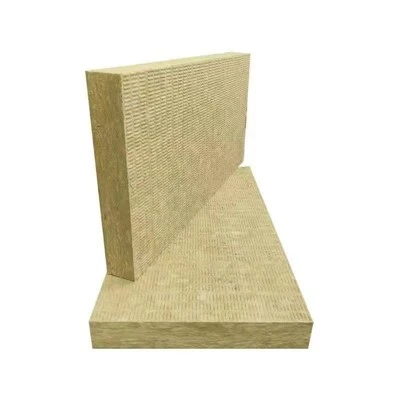
At the end of the day, investing in the right insulation isn’t just about keeping your space warm or cool—it’s about protecting your building, your money, and your peace of mind. A solid warranty is a big part of that, and you shouldn’t settle for anything less than clear, honest coverage.
Fireproof Board Series References
- ASTM International. (2021). Standard Specification for Flexible Cellular Materials—Polyolefin.
- National Building Code of Canada. (2022). Section 9: Energy Efficiency in Buildings.
- Insulation Institute. (2023). Warranty Guidelines for Rigid Foam Insulation Products.
- PVC Pipe & Fittings Association. (2022). UV Resistance of PVC Building Products.
Langfang Aolesi Thermal Insulation Materials Co., Ltd.
As one of the most professional pvc insulation board manufacturers and suppliers in China, we also support customized service. Please feel free to buy bulk high quality pvc insulation board made in China here from our factory. For pricelist, contact us now.
Address: Dongwang Village, Dacheng County, Langfang City, Hebei Province
E-mail: Lfaolesibaowen@outlook.com
WebSite: https://www.lfaolesi.com/
