In the world of filtration, the choice of a filter can significantly impact the efficiency and effectiveness of the purification process. As a supplier of activated carbon, I’ve witnessed firsthand the diverse applications and benefits of this remarkable filtration medium. In this blog, I’ll delve into how activated carbon compares to other filters, exploring its unique properties, advantages, and limitations in various scenarios. Activated Carbon

Understanding Activated Carbon
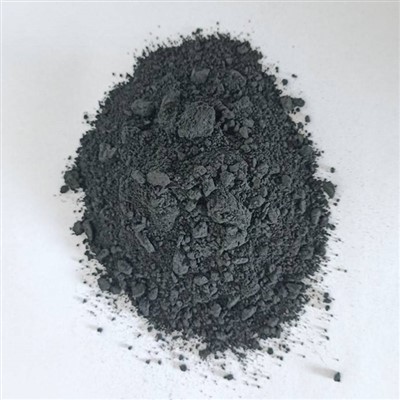
Activated carbon, also known as activated charcoal, is a highly porous material with an extremely large surface area. This surface area is what gives activated carbon its exceptional adsorption capabilities. When a fluid (either liquid or gas) passes through activated carbon, contaminants are attracted to and held on the surface of the carbon particles. This process, known as adsorption, is different from absorption, where a substance is taken up into the body of another substance.
The activation process of carbon involves heating carbonaceous materials, such as wood, coal, or coconut shells, in the presence of an activating agent. This creates a network of tiny pores and channels, increasing the surface area available for adsorption. The resulting activated carbon can have a surface area of up to 1500 square meters per gram, making it an incredibly effective filter for a wide range of contaminants.
Comparing Activated Carbon to Other Filters
1. Mechanical Filters
Mechanical filters, such as mesh screens and sediment filters, work by physically blocking particles of a certain size from passing through. They are commonly used to remove large particles like sand, dirt, and debris from water or air. While mechanical filters are effective at removing visible particles, they have limitations when it comes to removing dissolved contaminants.
Activated carbon, on the other hand, can remove a wide range of dissolved contaminants, including organic compounds, chlorine, and some heavy metals. It is not limited by particle size in the same way as mechanical filters. For example, in a water filtration system, a mechanical pre – filter can be used to remove large particles, followed by an activated carbon filter to remove smaller, dissolved contaminants. This combination provides a more comprehensive filtration solution.
2. Ion Exchange Resins
Ion exchange resins are used to remove specific ions from a solution by exchanging them with other ions. They are commonly used in water softening systems to remove calcium and magnesium ions, which cause water hardness. While ion exchange resins are very effective at removing specific ions, they are limited in their ability to remove organic contaminants.
Activated carbon can adsorb a wide variety of organic compounds, making it a better choice for removing substances like pesticides, herbicides, and volatile organic compounds (VOCs). In some cases, a combination of ion exchange resins and activated carbon can be used to achieve both ion removal and organic contaminant removal.
3. Membrane Filters
Membrane filters, such as reverse osmosis (RO) membranes and ultrafiltration (UF) membranes, work by using a semi – permeable membrane to separate contaminants from a fluid. RO membranes can remove a wide range of contaminants, including salts, heavy metals, and some organic compounds. UF membranes are effective at removing larger particles and macromolecules.
However, membrane filters can be expensive to install and maintain, and they require a significant amount of energy to operate. Activated carbon is generally more cost – effective, especially for applications where the primary goal is to remove organic contaminants. Additionally, activated carbon can be used in combination with membrane filters to enhance the overall filtration performance. For example, an activated carbon pre – filter can be used to remove organic compounds that could foul the membrane, extending its lifespan.
4. HEPA Filters
High – Efficiency Particulate Air (HEPA) filters are designed to remove very small particles, such as dust, pollen, and smoke, from the air. They are commonly used in air purifiers and HVAC systems. HEPA filters are highly effective at removing particulate matter, but they have limited ability to remove gaseous contaminants.
Activated carbon can be used in combination with HEPA filters to provide a more comprehensive air purification solution. The HEPA filter can remove particulate matter, while the activated carbon can adsorb gaseous contaminants, such as odors, VOCs, and some chemicals. This combination is particularly useful in indoor environments where both particulate and gaseous contaminants are present.
Advantages of Activated Carbon Filters
1. Versatility
One of the key advantages of activated carbon is its versatility. It can be used in a wide range of applications, including water purification, air purification, gas separation, and industrial processes. Whether it’s removing chlorine from drinking water, adsorbing odors in a commercial kitchen, or purifying industrial gases, activated carbon can be tailored to suit the specific needs of the application.
2. Cost – Effectiveness
Activated carbon is generally more cost – effective than many other types of filters, especially for large – scale applications. The raw materials used to produce activated carbon are relatively inexpensive, and the manufacturing process is well – established. Additionally, activated carbon can be regenerated in some cases, further reducing the long – term cost of filtration.
3. Environmental Friendliness
Activated carbon is a natural and renewable resource. The raw materials used to produce it, such as coconut shells and wood, are sustainable. Additionally, the adsorption process of activated carbon is a physical process, which means that it does not produce harmful by – products. This makes activated carbon a more environmentally friendly option compared to some other filtration methods.
Limitations of Activated Carbon Filters
1. Limited Capacity
Activated carbon has a limited adsorption capacity. Once the surface of the carbon particles is saturated with contaminants, the filter needs to be replaced or regenerated. This can be a drawback in applications where there is a high concentration of contaminants or a continuous flow of contaminants.
2. Selectivity
While activated carbon can adsorb a wide range of contaminants, it is not equally effective at removing all types of contaminants. Some contaminants may have a stronger affinity for the carbon surface than others, and the effectiveness of adsorption can be influenced by factors such as temperature, pH, and the presence of other contaminants.
3. Biological Contamination
Activated carbon can provide a suitable environment for the growth of bacteria and other microorganisms. This can be a concern in applications where microbial contamination is a risk, such as in drinking water filtration. To address this issue, additional disinfection steps may be required.
Applications of Activated Carbon Filters
1. Water Purification
Activated carbon is widely used in water purification systems to remove chlorine, organic compounds, and some heavy metals. It can be used in both residential and commercial applications, such as household water filters, municipal water treatment plants, and industrial water purification systems.
2. Air Purification
In air purification, activated carbon is used to remove odors, VOCs, and some chemicals from the air. It is commonly used in air purifiers, HVAC systems, and industrial ventilation systems.
3. Gas Separation
Activated carbon can be used to separate gases based on their adsorption properties. It is used in applications such as natural gas purification, carbon dioxide capture, and the separation of volatile organic compounds from industrial exhaust gases.
Conclusion
Activated carbon offers a unique set of advantages and disadvantages when compared to other filters. Its versatility, cost – effectiveness, and environmental friendliness make it a popular choice for a wide range of filtration applications. However, it also has limitations, such as limited capacity and selectivity. In many cases, a combination of activated carbon and other filters can provide the most effective filtration solution.
Vermiculite If you’re in the market for an effective and reliable filtration solution, I invite you to consider activated carbon. As a supplier of high – quality activated carbon, I can provide you with the products and expertise you need to meet your specific filtration requirements. Whether you’re looking for a solution for water purification, air purification, or industrial processes, I’m here to help. Contact me to discuss your needs and explore how activated carbon can benefit your filtration system.
References
- "Activated Carbon: Adsorption Basics and Applications" by Perry’s Chemical Engineers’ Handbook
- "Water Treatment Unit Processes: Physical and Chemical" by George Tchobanoglous, Franklin L. Burton, and H. David Stensel
- "Air Pollution Control: A Design Approach" by Norman C. Craig
Lingshou County LM Mineral Products Co., Ltd.
As one of the most professional activated carbon manufacturers and suppliers in China, we’re featured by quality products and good service. Please rest assured to buy customized activated carbon made in China here from our factory. Contact us for more details.
Address: Dongzhuang Village, Nanyanchuan Township, Lingshou County, Shijiazhuang City, Hebei Province
E-mail: lmwtwz@163.com
WebSite: https://www.lmwtz.com/
